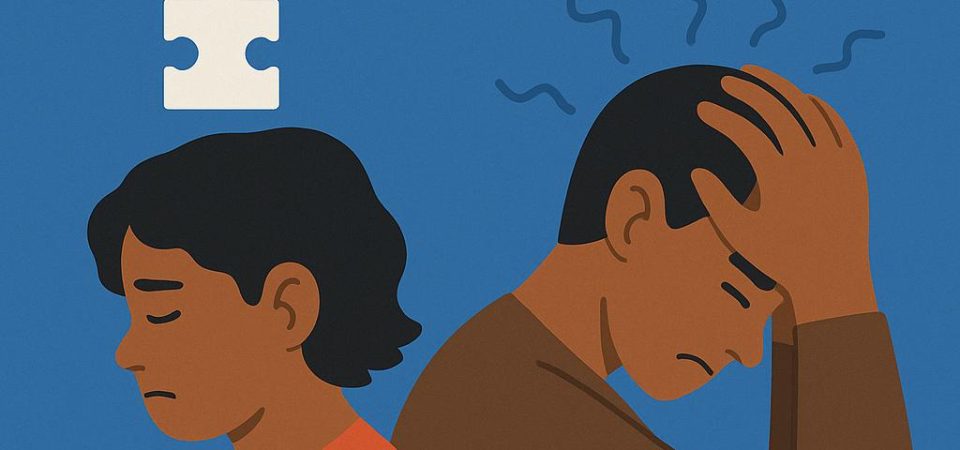
The Intersection of Autism and PTSD
The intersection of autism spectrum disorder (ASD) and post-traumatic stress disorder (PTSD) is an area garnering increased attention from researchers. Understanding the nuances between these two conditions is essential for providing effective support and treatment. It is an ongoing challenge that continues to gain interest as more people become affected.
Understanding Autism
Autism spectrum disorder (ASD) is a developmental disorder marked by significant challenges in communication, behavior, and social interactions. These characteristics can manifest in diverse ways. Some individuals with autism may experience pronounced difficulties in social communication. These might include struggles with understanding social cues, interpreting facial expressions, or engaging in typical conversational exchanges. For others, restricted interests and a preference for specific routines or behaviors can be more prominent. Such preferences can sometimes be mistaken for obsessive tendencies, though they form an integral part of the individual’s experience with autism.
Individuals with autism may also exhibit repetitive behaviors. These can range from actions like hand-flapping to verbal repetitions and can serve various purposes, such as self-regulation or processing information. It’s essential to recognize that autism is a spectrum; hence the experiences and expressions of individuals can vary significantly. More information about ASD can be found through the Centers for Disease Control and Prevention.
Understanding PTSD
Post-traumatic stress disorder (PTSD) is a complex mental health condition that arises following exposure to a traumatic event, either through direct experience or witnessing the event. Characteristic symptoms of PTSD include recurrent flashbacks, vivid nightmares, heightened anxiety, and persistent, intrusive thoughts concerning the traumatic event. These symptoms can vary in intensity and duration, profoundly affecting an individual’s daily life and overall mental health.
The experience of PTSD involves a heightened state of alertness known as hyperarousal, which can lead to difficulties in concentrating, increased irritability, and even outbursts of anger. Avoidance behaviors, where individuals may go out of their way to avoid reminders of the trauma, are also prevalent. Understanding PTSD necessitates an appreciation of how these symptoms can integrate with daily life challenges, making typical daily functions emotionally and mentally taxing. A more detailed explanation is available from the National Institute of Mental Health.
Prevalence of PTSD in Individuals with Autism
Research indicates that individuals with autism may have a higher susceptibility to developing PTSD. This increased vulnerability may stem from their inherent difficulties with communication and social interaction. These challenges can impede their ability to process and recover from traumatic events efficiently.
Communication Challenges
Individuals on the autism spectrum frequently encounter difficulties expressing their emotions and personal experiences. This lack of expression might culminate in an inability to effectively articulate stress or anxiety associated with a traumatic event. Such communicative barriers not only complicate the personal understanding of the trauma but also pose significant hurdles for clinicians aiming to diagnose PTSD accurately. The traditional diagnostic criteria for PTSD rely heavily on verbal reports of symptoms, which are often challenging to obtain from someone with autism.
Social Interaction Difficulties
Limited social interactions can also play a role in the increased susceptibility to PTSD. Due to these limitations, individuals with autism might be more likely to encounter misunderstandings or find themselves in stressful scenarios that could contribute to trauma. Social misunderstandings, coupled with experiences of peer rejection, are not uncommon. These experiences, while everyday to some, can have profound effects on individuals with autism, sometimes simulating experiences akin to trauma.
Co-occurrence and Misdiagnosis
The co-occurrence of ASD and PTSD presents a unique set of challenges in diagnosis and treatment. The overlapping symptoms between autism, such as communication and social interaction difficulties, and PTSD can result in misdiagnoses or delays in receiving appropriate treatment.
In clinical settings, the subtleties of PTSD symptoms might be overshadowed by the more visible markers of autism, complicating the diagnostic process. Therefore, clinicians must adopt a nuanced approach, carefully distinguishing between the features of each condition. Crafting a comprehensive diagnosis requires special care and an astute awareness of both disorders’ intricacies.
Approaches to Treatment
To effectively treat individuals with comorbid autism and PTSD, tailored treatment plans are vital. These plans need to consider the unique characteristics of both disorders. Trauma-informed care is advocated as a foundational element of such treatment, emphasizing the creation of a safe and understanding environment for the individual.
Therapeutic Interventions
Therapeutic interventions must be customized to address the unique needs presented by the comorbidity of autism and PTSD. Cognitive-behavioral therapy (CBT), specifically adapted for those on the autism spectrum, holds promise as it addresses both cognitive and emotional facets. Social skills training can help improve interactions and reduce misunderstandings.
Moreover, sensory integration therapy might be incorporated to aid those experiencing heightened sensory sensitivities. Individualized counseling becomes crucial in therapy, providing personal space to explore and understand personal experiences. Collectively, these therapeutic strategies aim to foster a balanced and supportive environment conducive to recovery and development.
Conclusion
While research on the link between autism and PTSD is still evolving, it remains crucial for clinicians, caregivers, and educators to recognize the potential co-occurrence of these conditions. Aware of these potential overlaps, professionals are better equipped to offer effective support, tailoring interventions that address the distinctive challenges faced by individuals affected by both ASD and PTSD. Once recognized and accurately diagnosed, a comprehensive, informed approach to treatment and support can significantly enhance the quality of life for individuals facing these intersecting challenges.