The Connection Between Autism and Depression

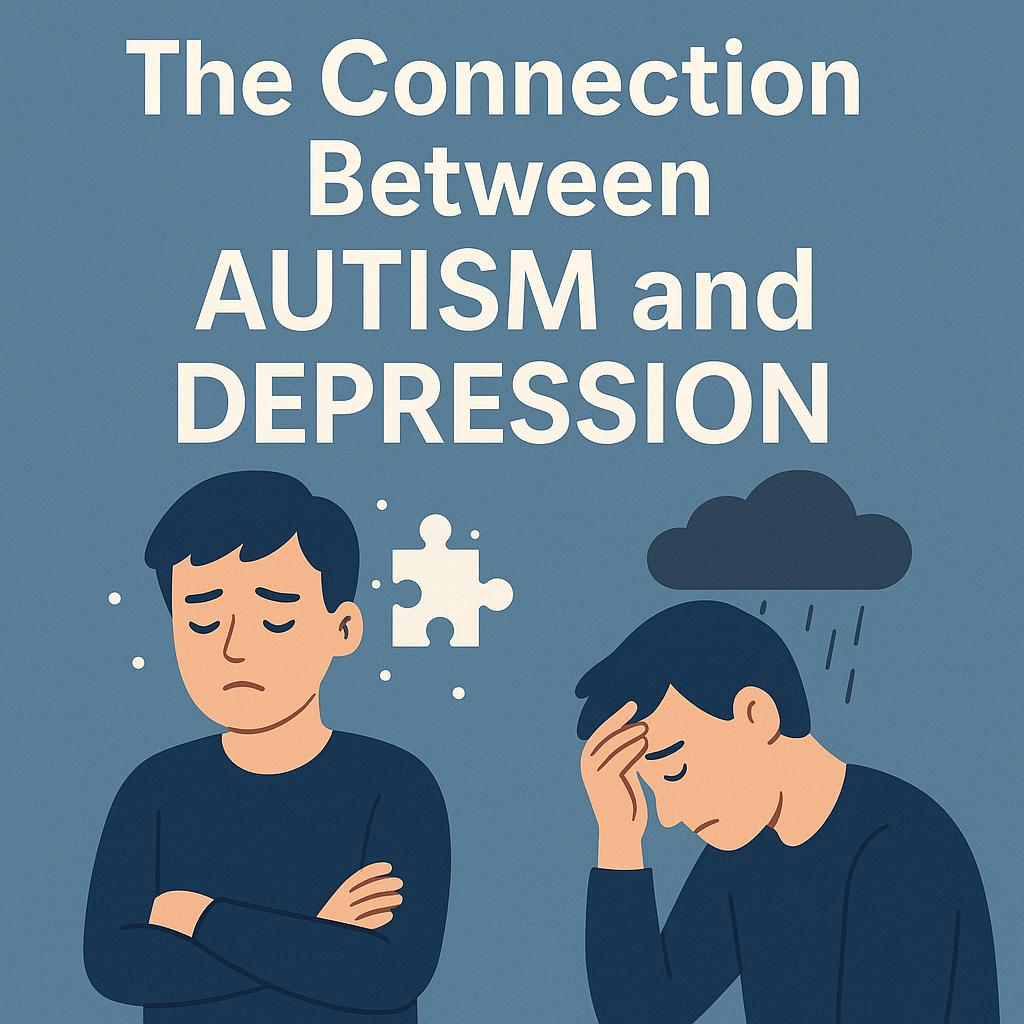
The Connection Between Autism and Depression

The Prevalence of Autism and Depression

Autism Spectrum Disorder (ASD) is a developmental condition that significantly impacts how individuals communicate and behave. This disorder encompasses a spectrum of challenges, which can manifest as sensory sensitivities, repetitive behaviors, and a struggle with grasping social cues. According to various studies, including those published by the Centers for Disease Control and Prevention (CDC), autism affects approximately one in 54 children in the United States, indicating a significant presence within the population.

In parallel, there is notable research highlighting the prevalence of depression among individuals with autism. Understanding this correlation is crucial to providing enhanced support and targeted interventions for those affected. Several studies illustrate that individuals diagnosed with ASD have a higher propensity for depression than their non-autistic counterparts.

Understanding the Link

The relationship between autism and depression is intricate and involves multiple dimensions. Here, we delve into several contributing factors to this association:

Social Isolation: Individuals with autism often find themselves socially isolated due to their struggles in forming and nurturing interpersonal relationships. This lack of social interaction can lead to pronounced feelings of loneliness, which may serve as a catalyst for depression.

Anxiety and Stress: Many people on the autism spectrum experience heightened anxiety levels, particularly in situations that are unpredictable or overwhelming. This chronic stress and anxiety can act as significant precursors to the development of depression.

Biological Factors: There is evidence to suggest that biological components play a role in the comorbidity of autism and depression. Research conducted by the National Institute of Mental Health (NIMH) points to shared genetic elements between these conditions, highlighting the potential for a neurobiological bridge linking the two.

Challenges in Diagnosis

Diagnosing depression in individuals who have autism presents distinct challenges. The conventional diagnostic criteria for depression are often hard to apply because of the communication barriers and social difficulties inherent in autism. Furthermore, symptoms of depression might present differently in those with autism, necessitating a more nuanced and tailored approach to diagnosis. Health practitioners need to carefully consider these factors when evaluating the mental health of those diagnosed with autism.

Approaches to Management

Effectively addressing the coexistence of autism and depression demands a comprehensive, individualized strategy, employing a variety of methods:

Therapeutic Interventions: One of the promising approaches is cognitive-behavioral therapy (CBT), which has been specially adapted to cater to the needs of autistic individuals. This therapy focuses on managing emotions and developing effective coping mechanisms, which are crucial for dealing with depression.

Medication: In some cases, prescription medication is used to manage depression symptoms. However, caution is required to consider potential side effects and interactions, an especially pertinent concern given the unique neurological profile of those with autism.

Support Systems: Establishing robust support networks comprising family, therapists, and peer support groups can profoundly impact the mental well-being of autistic individuals. By ensuring these individuals have access to necessary resources and support, the adverse impacts of isolation can be mitigated, hence enhancing their quality of life.

Conclusion

Grasping the intertwining connection between autism and depression is crucial for developing effective treatment protocols and support mechanisms. By acknowledging and understanding the unique challenges faced by individuals on the autism spectrum, healthcare providers, families, and communities are better equipped to address their mental health needs. Ongoing research is pivotal in elucidating the biological and environmental mechanisms driving this connection, thereby improving therapeutic outcomes for those affected by both autism and depression. Ultimately, a commitment to developing a deeper understanding of these issues can lead to more effective and compassionate care for individuals navigating these complex conditions.

How Autism Affects Emotional Expression

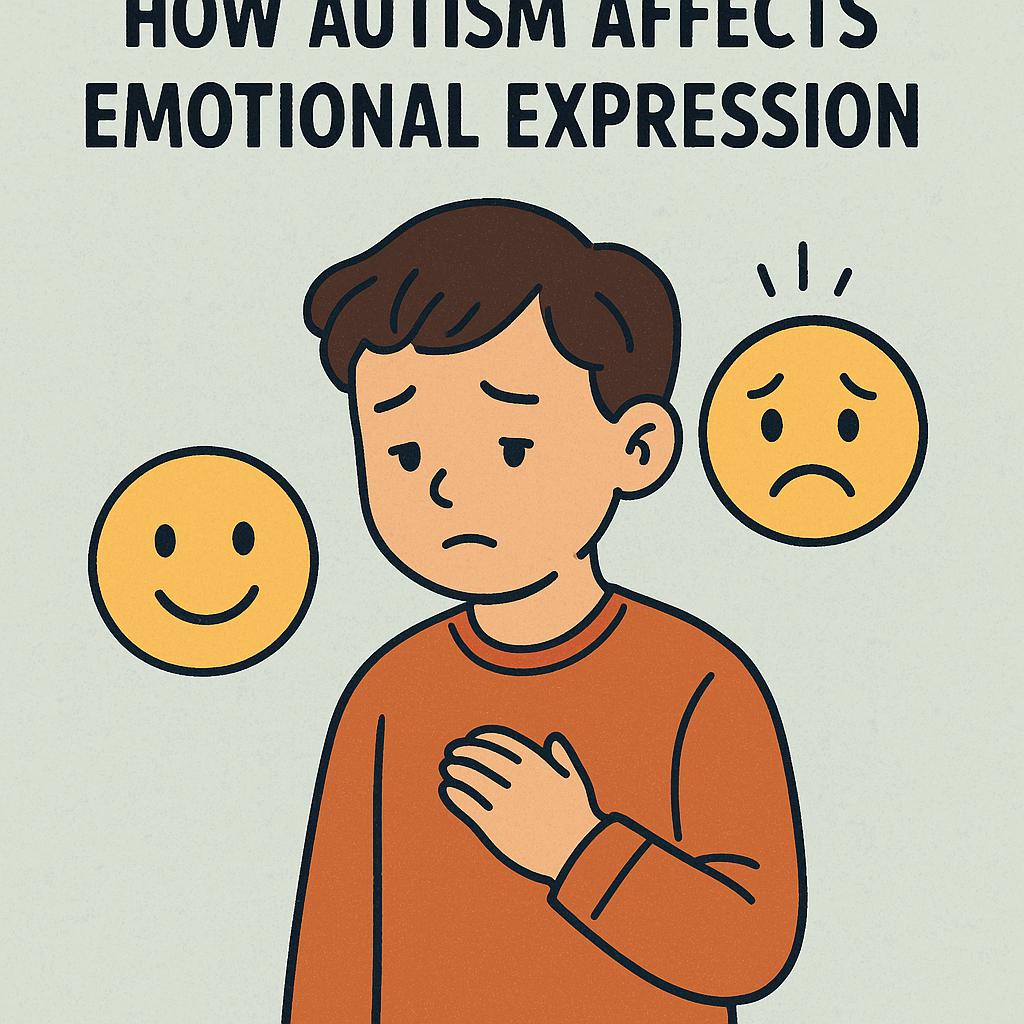
How Autism Affects Emotional Expression

The Connection Between Autism and Emotional Expression

Autism, recognized as a neurodevelopmental condition, is known for its distinct differences in communication, behavior, and social interaction. One area where these differences prominently manifest is in the realm of emotional expression. The way individuals with autism express emotions can markedly differ from neurotypical patterns, making it essential to understand these variations. This understanding is crucial not just for the individuals themselves, but for society at large to foster more inclusive and supportive environments.

Emotional Expression Differences

The manner in which those with autism display emotional responses varies widely and can differ significantly from what is often observed in neurotypical individuals. At the core of these differences are factors such as sensory processing sensitivities and alternative interpretations of social cues.

Sensory Processing Sensitivities: One of the defining features of autism lies in how individuals experience sensory input. The world can be overwhelming due to heightened sensitivities to stimuli such as light, sound, or touch. These sensitivities can lead to overstimulation, which in turn affects emotional expression. For instance, an environment that might be mundane to a neurotypical person could feel chaotic to someone with autism, altering their emotional response accordingly.

Interpreting Social Cues: Another contributing factor to differences in emotional expression is the challenge many autistic individuals face when interpreting social cues. Nonverbal communication, which includes facial expressions and body language, is often nuanced and can be difficult for some with autism to decode. This difficulty can result in atypical responses to social interactions where emotions are concerned. Where a neurotypical person might smoothly interpret a smile or a frown, an autistic person might require more context or time to recognize and respond to these cues.

Challenges in Emotional Expression

Alongside these differences, specific challenges can make emotional expression even more complex for autistic individuals. Recognizing and addressing these challenges with empathy and understanding can significantly improve interactions and support systems.

Communication Barriers: For many on the autism spectrum, verbal communication is either limited or absent, presenting a direct barrier to expressing emotions traditionally. This gap can often be successfully bridged through augmentative and alternative communication (AAC) strategies. These strategies utilize tools like picture boards or speech-generating devices to enable individuals to communicate effectively, providing a voice for those who may not have one in the conventional sense.

Emotional Regulation: Regulating emotions is another area where autistic individuals may encounter difficulties. Situations that are overwhelming, either due to sensory overload or emotional dysregulation, may lead to sudden shifts in emotional states. These shifts are sometimes described as “meltdowns,” where emotions may be explosively expressed, or “shutdowns,” where the individual might retreat inwardly. Both require understanding and patience from those around them to navigate effectively.

Strategies for Supporting Emotional Expression

For individuals with autism, navigating emotional expression with confidence can be significantly aided by the creation of supportive environments. Such environments not only accommodate but actively facilitate healthier emotional interactions.

Structured Environments: By providing a predictable routine, structured environments can effectively minimize anxiety for autistic individuals. Tools like visual schedules and established expectations help create a sense of stability, supporting better emotional regulation. In these environments, transitions are smoother, and individuals are better prepared to handle otherwise overwhelming situations.

Encouraging Communication: While AAC tools are invaluable, encouraging other forms of self-expression can also be beneficial. Activities like art or music serve as alternative outlets for expressing emotions, enabling individuals to convey feelings and thoughts in ways that align better with their personal comfort and abilities. These creative outlets provide an additional layer of communication beyond traditional spoken language.

Further Reading and Resources

For those seeking a deeper understanding of the intricate relationship between autism and emotional expression, there are numerous resources that offer further insights and comprehensive information. Organizations and research institutions have dedicated significant efforts to this cause, and their findings can be instrumental in enhancing our collective understanding.

A few noteworthy sources include:

Autism Speaks

National Institute of Mental Health (NIMH)

These organizations provide valuable resources and data that can contribute to more inclusive and supportive communities for individuals on the autism spectrum. By delving into these materials, stakeholders ranging from educators to family members can foster environments that appreciate and empower autistic individuals in all facets of life, particularly in the realm of emotional expression.

The Role of Parents in Autism Support

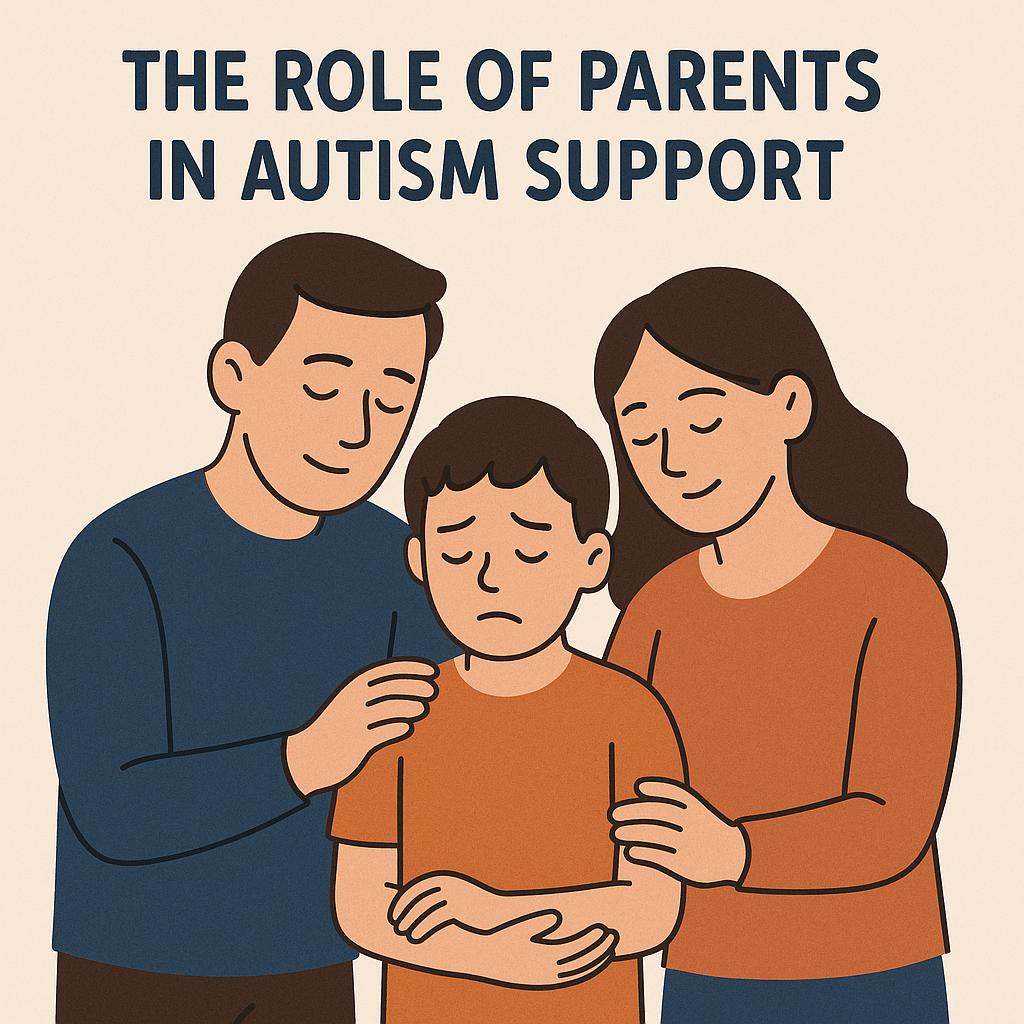
The Role of Parents in Autism Support

The Importance of Parental Involvement in Autism Support

Parents play a critical role in supporting a child with autism spectrum disorder (ASD). Their involvement is instrumental in shaping the child’s development and ensuring the implementation of effective strategies tailored to the child’s unique needs. This article highlights how parents can contribute to autism support.

Understanding Autism Spectrum Disorder

Autism spectrum disorder (ASD) is a developmental condition that affects various aspects of an individual’s life, particularly in areas of communication, behavior, and social interactions. These challenges can vary in severity from person to person, necessitating a highly individualized approach to support and care. Parents, due to their close day-to-day interactions, are often the first to notice developmental differences or delays in their children. Recognizing these early signs is crucial for early diagnosis and intervention, as earlier interventions can significantly improve long-term outcomes for children with ASD. More data and insights about autism can be accessed through organizations like Autism Speaks.

Advocacy and Access to Resources

Advocacy is a fundamental role that parents of children with autism frequently assume. Within educational settings, parents advocate for appropriate modifications to ensure their child receives an education that meets their unique needs. This could involve creating an Individualized Education Plan (IEP) tailored to the child’s specific challenges and strengths. In healthcare, parents work to navigate often complex systems to secure necessary therapies and medical care. Establishing a robust support network is crucial. Such networks typically include healthcare professionals, educational consultants, and autism specialists. These collaborators aid in ensuring the child receives the necessary resources and services. Being well-informed and organized helps parents effectively communicate their child’s needs and secure appropriate support.

Creating a Supportive Environment

The home environment plays a crucial role in a child’s comfort and ability to thrive. Parents can create a supportive atmosphere by implementing structured routines that offer predictability, reducing anxiety for children with ASD. Additionally, understanding a child’s sensory preferences and aversions allows parents to create spaces that minimize sensory overload and support sensory processing needs. For example, some children may benefit from soft lighting and quiet spaces, while others might require more intensive occupational therapy tools, like weighted blankets or sensory swings. Resources offering guidance on creating autism-friendly environments are available on websites such as the National Autistic Society.

Participating in Interventions

Participation in various therapeutic interventions, including behavioral therapy, speech therapy, and occupational therapy, often requires significant parental involvement. These interventions are more effective when techniques learned during therapy are consistently applied at home by parents. This aspect of involvement ensures continuity and reinforcement of learned skills. For instance, if a speech therapist is working with a child to develop communication skills, parents can facilitate opportunities for practice through routine conversations and play at home. Consistent application of therapy objectives fosters skill acquisition and helps children integrate new skills into their daily activities.

Monitoring Progress

Parents are pivotal in monitoring their child’s progress. Through their consistent observations and interactions, they are uniquely positioned to recognize both the achievements and challenges their child experiences. Regular communication with therapists and educators allows for a shared understanding of the child’s development and progress. This collaborative approach provides clarity regarding the most effective strategies and facilitates timely adjustments to interventions as necessary. Documentation of milestones and changes also supports ongoing dialogue with professionals, ensuring the child’s evolving needs are addressed.

Contributing to Research

Research in autism is ever-evolving, with new discoveries continually enhancing understanding and support mechanisms. Parents play a significant role by volunteering to participate in research studies. By providing data and insights regarding their child’s behaviors and responses to various interventions, they contribute to a broader understanding of autism. This participation is invaluable in refining existing interventions and developing new, innovative support strategies that can benefit a broader community beyond their own families.

Conclusion

In sum, the role of parents in supporting a child with autism is multifaceted and involves a range of responsibilities that are critical to the child’s development and wellbeing. Their involvement encompasses advocacy, participation in interventions, managing the home environment, and contributing to research efforts. Each of these roles serves to support the child’s journey and promote their potential. As parents navigate these responsibilities, they often become experts in their child’s needs and advocates for change in broader systemic structures. Parents seeking more detailed guidance and community support can explore resources at Autism Parenting Magazine.