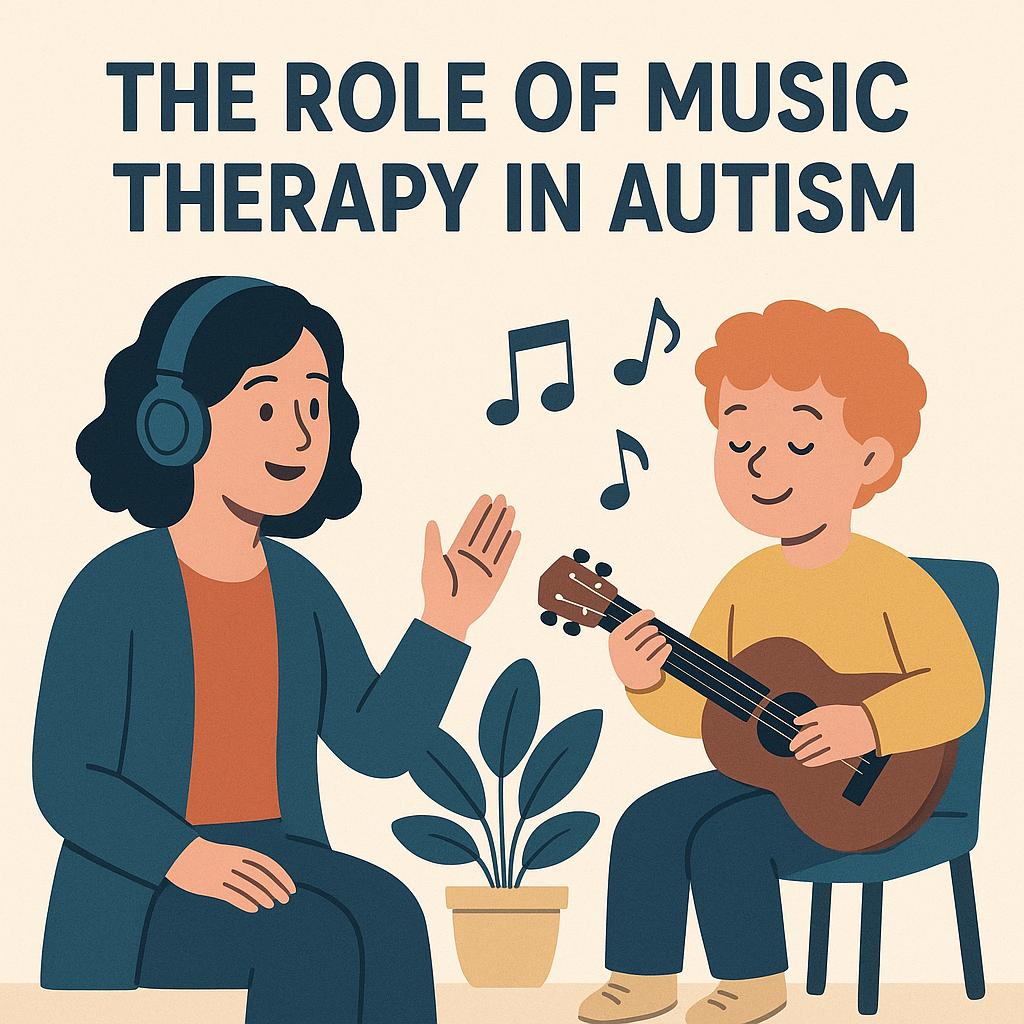
The Role of Music Therapy in Autism

The Role of Music Therapy in Autism

Understanding Music Therapy

Music therapy is a structured approach that leverages the innate properties of music to address a variety of needs encompassing physical, emotional, cognitive, and social domains. Practitioners in this specialized field are trained to implement music-based interventions aimed at achieving specific therapeutic goals for their clients. Over recent years, music therapy has gained considerable attention as an effective tool in the treatment and support of individuals diagnosed with autism spectrum disorder (ASD).

Music Therapy in Autism Treatment

Autism spectrum disorder represents a developmental challenge characterized by difficulties in social interaction and communication, as well as the presence of repetitive behaviors. The manifestation of these challenges can differ significantly from one individual to another. Music therapy provides a unique avenue for autism treatment, as it capitalizes on the universal appeal of music to prompt responses that might not be attainable through traditional therapeutic methods.

The Benefits of Music Therapy for Individuals with Autism

The integration of music therapy into autism interventions is associated with a range of positive outcomes. One of the primary advantages is the enhancement of communication skills among individuals with autism. Due to the nature of the disorder, conventional verbal interactions can be particularly challenging. However, music offers an alternative medium through which individuals on the autism spectrum can express emotions and ideas without relying solely on spoken language.

In addition to improving communication capabilities, music therapy also plays a vital role in the enhancement of social skills. Participating in group music therapy sessions fosters increased interaction and cooperation, thereby assisting individuals with autism in developing improved social connections. Furthermore, the rhythmic patterns inherent in music can contribute to refining motor skills and coordination, areas that are typically challenging for many individuals with ASD.

Scientific Support for Music Therapy in Autism

Extensive research underlines the effectiveness of music therapy for individuals with autism. Empirical evidence indicates that music therapy can result in notable enhancements in both communication and social skills. For instance, research published in the journal Frontiers in Psychology revealed that structured music interventions correlate with improved social adaptation in children diagnosed with ASD.

Further validation comes from the American Music Therapy Association (AMTA), which recognizes music therapy as a potent intervention for those on the autism spectrum. According to the AMTA, music interventions facilitate the cultivation of essential social and communication skills, which are crucial for the personal growth and independence of individuals living with autism.

Implementing Music Therapy

Music therapy programs are inherently adaptable, tailored to suit the specific needs and abilities of each individual. A qualified music therapist undertakes a comprehensive assessment to identify an individual’s strengths and challenges, using this information to design personalized activities. These may include singing, playing instruments, and engaging in music-related games, all within a supportive and nurturing environment that promotes active engagement and personal development.

When music therapy is integrated into a broader treatment strategy, it has the potential to contribute significantly to the quality of life of individuals with autism. This integration can facilitate meaningful changes and encourage progress in various developmental areas. As ongoing research continues to illuminate the intricacies of autism and treatment modalities, the application of music therapy is poised to expand, thereby presenting new opportunities for individuals on the autism spectrum to experience growth and enhanced well-being.

Looking to the Future: Expanding the Role of Music Therapy

As research and technology evolve, the future of music therapy in the context of autism treatment appears promising. The continuous examination of music therapy’s mechanisms and outcomes will help refine these practices, making the therapy more accessible and effective. This progress will allow therapists to develop increasingly sophisticated interventions that cater to the diverse needs of the autistic community.

Moreover, advancements in music technology may offer new tools and applications for therapists. Innovative technologies, such as virtual reality and interactive software, could potentially blend with traditional music therapy, creating immersive experiences that further enhance engagement and treatment outcomes.

The expansion of music therapy’s role will likely promote broader societal recognition of its benefits, encouraging more institutions and healthcare providers to incorporate this therapeutic modality into treatment plans. Educational programs will continue to play a crucial role in training professionals, ensuring that music therapists are well-equipped to meet the evolving demands of the field.

The journey ahead holds vast potential for improving the lives of individuals with autism, their families, and their communities. Music therapy, with its rich and adaptable framework, stands as a testament to the power of creativity and innovation in therapy. Its continued integration into autism treatment reflects a growing acknowledgment of its efficacy and a commitment to exploring diverse pathways toward development and healing.

How to Support a Friend with Autism

How to Support a Friend with Autism

Understanding Autism

Autism spectrum disorder (ASD) is a developmental condition that affects communication, behavior, and social interaction. Characterized by a wide spectrum of traits, ASD manifests differently in each person, making it essential to appreciate the distinctiveness of each individual diagnosed with autism. While some may face significant challenges in social interaction and communication, others might exhibit unique strengths that enhance their daily interactions and experiences.

Autism is a lifelong condition, but with the right support and understanding from friends, family, and the community, individuals with autism can build fulfilling and enriched lives. Supporting a friend with autism involves adapting to their specific needs and preferences, providing a foundation of understanding and empathy that enhances their quality of life.

Communication Considerations

Effective communication forms the backbone of any supportive relationship, especially when one party is an individual with autism. Verbal communication might not always be the most suitable method, and understanding this can facilitate smoother interactions. Many individuals with autism may find traditional verbal interactions overwhelming or complex. Thus, exploring various modes of communication is vital.

Utilizing visual aids like pictograms or cue cards can bridge gaps where words might not suffice. Similarly, leveraging text messaging as a tool can allow for more deliberate and less pressurized exchanges, giving both parties a moment to process and respond thoughtfully. The emphasis must be on providing ample time for processing; a hurried response may not align with their comfort or understanding. This patience in communication fosters trust and comprehension in the relationship.

Recognizing Sensory Preferences

Individuals with autism often experience sensory input differently from neurotypical individuals. Some may exhibit hypersensitivity, where certain lights, sounds, or textures become overwhelming and distressing, while others might be hyposensitive and crave more sensory input than usual. Acknowledging and adapting to these sensory preferences is crucial in creating a comfortable and accommodating space for your friend.

Being observant and attentive to their reactions can help in understanding their sensory needs better. Small adjustments, such as choosing to dim the lights or finding a quiet space during overwhelming moments, can significantly enhance their comfort. Personal sensitivities are diverse, and mindful accommodations aid in affirming their experiences and maintaining their well-being.

Providing Routine and Structure

In a world where unpredictability is a common occurrence, individuals with autism often find solace in the predictability and stability offered by routines. A structured environment contributes significantly to their sense of security, allowing them to navigate daily tasks with more confidence and less anxiety.

Respecting and helping to uphold their existing schedules plays a vital role in their day-to-day life. If changes are unavoidable, clear and detailed explanations beforehand can mitigate the associated stress. This element of predictiveness helps them mentally and emotionally prepare for upcoming transitions, reinforcing their feeling of control over their environment.

Encouraging Social Interaction

Social interaction is an area where individuals with autism may face challenges, yet many have a deep-seated desire to connect with others. This desire is often hindered by difficulties in understanding social cues and norms, which can make interactions daunting.

As a friend, fostering an inclusive atmosphere at gatherings by inviting them without pressure can open doors for courageous social steps. While they might decline the invitation at times, continuous invitations paired with patience reflect acceptance and understanding. Identifying and nurturing shared interests also provides a platform for interaction—building connections and shared experiences that are both enjoyable and meaningful.

Accessing Resources

In recent years, awareness and resources for autism have grown significantly. A myriad of organizations and online platforms offer valuable resources and advice that cater to individuals with autism and their support networks. Accessible platforms like Autism Speaks and The Autism Society enrich both understanding and approach towards interactions and support.

These resources provide comprehensive material on autism, ranging from personal stories and strategies to research developments and advocacy. Engaging with these resources can deepen your understanding, equip you with practical tools, and connect you to supportive communities.

Understanding and support extend beyond superficial measures. The willingness to engage, learn, and support a friend with autism goes a long way in fostering an inclusive and positive relationship. By being attentive, patient, and informed, you not only enrich your friend’s life but also your own, as you learn and grow from the unique dynamics they bring into your world. By creating a supportive environment tailored to their distinct needs, you help break down barriers and reinforce a culture of empathy and inclusiveness.