The Importance of Social Skills Training
Autism Spectrum Disorder (ASD) is a developmental condition known for causing challenges in areas like social interaction, communication, and repetitive behavior patterns. For individuals living with autism, especially those navigating day-to-day social interactions, social skills training becomes an indispensable part of their development strategy. This form of training is crucial as it focuses on building both the understanding and effective communication skills that often pose difficulties for individuals with autism.
Understanding Social Skills Training
Social skills training refers to a structured approach often utilized in behavioral therapy that aims to equip individuals with necessary skills meant for effective social functioning. These skills are not limited to but include pertinent aspects such as understanding non-verbal cues (like body language and facial expressions), initiating conversations, collaboration and cooperation, taking turns in activities, and conflict resolution.
Key Objectives of Social Skills Training
The overriding objective of social skills training, especially when concerning individuals with autism, is to enhance both the frequency and quality of social interactions. This involves teaching a set of specific skills that the individual can then apply in various contexts—both structured environments like therapy sessions, and unstructured settings like playgrounds or classrooms. The training is deeply customized, ensuring that it addresses the unique needs and challenges faced by each participant.
Common Methods and Techniques
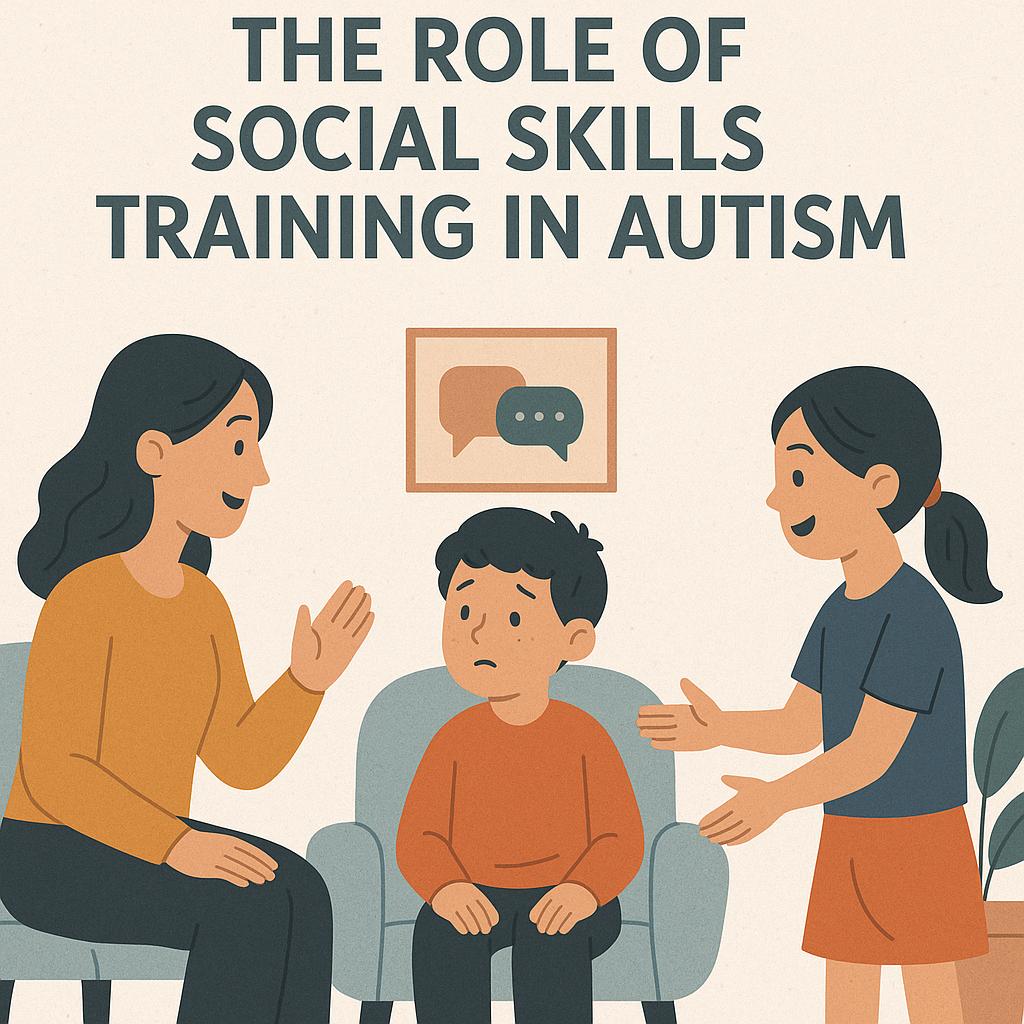
The methods used in social skills training encompass a variety of approaches that aim for holistic learning. An essential technique is role-playing. This allows individuals to rehearse and experiment with different social situations in a controlled and safe setting. During role-playing exercises, individuals can explore various responses to social cues and practice how to navigate conversations and interactions effectively.
Another crucial method is modeling. In modeling, individuals learn through observation. They watch peers or instructors who exemplify appropriate social interactions. This observational learning process reinforces visual learning and gives individuals an interactive example of what appropriate social nuances look like.
Finally, reinforcement is a key technique frequently used. By offering positive reinforcement, individuals are encouraged to repeat behaviors that lead to favorable outcomes. Reinforcement acts as a mechanism that not only rewards the individual for positive social behavior but also motivates them to transfer these learned behaviors to real-life scenarios, thereby promoting generalization of skills.
The Impact and Benefits of Social Skills Training
The impact of social skills training stretches far beyond merely improving interpersonal interactions. Enhanced social competence provides a foundational base that can contribute to improved academic performance due to better classroom interactions and participation. Also, it affords individuals greater independence as they become more equipped to manage everyday social situations without excessive guidance or assistance.
Another profound benefit includes the reduction of social anxiety. Social situations, often unpredictable and varied, can be a source of stress and anxiety for individuals with autism. Through social skills training, individuals learn to navigate social environments more confidently, reducing the anxiety previously associated with these interactions.
Furthermore, improved social skills significantly enhance the overall quality of life for individuals with autism. It allows for more enriching social experiences, helping to foster meaningful relationships and connections. This advancement also supports their successful integration into various social settings, whether that be educational, professional, or community environments.
Exploring Further Resources
For those interested in delving deeper into the various approaches and ongoing research in the field of social skills training, resources such as the Autism Speaks organization offer comprehensive insights. Additionally, clinical studies and publications within reputable journals provide valuable data and findings pertinent to this area of study.
In essence, social skills training should be recognized as a fundamental component of intervention strategies for individuals on the autism spectrum. With intervention tailored to meet individual needs and consistent practice, social skills training holds the potential to substantially elevate social experiences, helping individuals navigate their environments more effectively and comfortably.