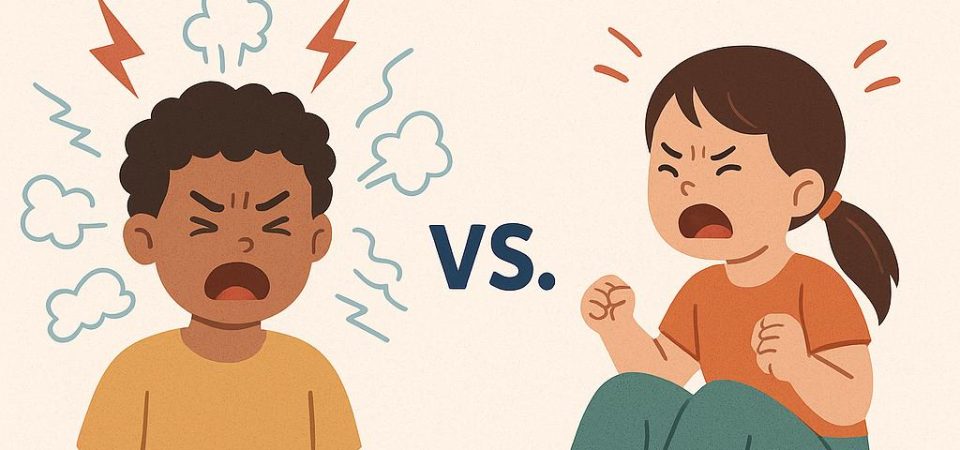
Understanding Autism: Meltdowns vs. Tantrums
Autism Spectrum Disorder (ASD) is a complex developmental condition that affects how individuals perceive and interact with the world around them. It is important to differentiate between the diverse experiences faced by individuals on the autism spectrum, particularly when it comes to meltdowns and tantrums. These terms, while sometimes used interchangeably, have distinct meanings. Recognizing and understanding these differences can significantly impact how caregivers and onlookers respond, thus improving the level of support provided to individuals with ASD.
Defining Meltdowns
Meltdowns are often a misunderstood aspect of autism. They occur when an individual experiences a response to overwhelming situations. A key point to understand is that meltdowns are involuntary reactions; they should not be misconstrued as acts of willful disobedience or manipulation. Instead, they are the manifestation of the individual’s inability to process or cope with excessive sensory input or emotional stress.
During a meltdown, common behaviors might include crying, screaming, or flailing. The individual experiencing a meltdown seems inconsolable and may not respond to typical calming strategies. The critical element here is that these actions are not goal-oriented. They are not a means to an end but rather an expression of the individual’s current state of distress. The primary objective is to lessen the sensory overload or reduce the emotional stress to help the person regain a sense of equilibrium.
Understanding Tantrums
To better comprehend tantrums, it’s crucial to recognize them as purpose-driven behaviors. Unlike meltdowns, tantrums often have a discernable goal or objective behind them. They are common in children as a means of seeking attention, acquiring an object, or avoiding a specific activity or situation. Notably, these behaviors are not exclusive to children with autism but are found in all children across various developmental stages.
During a tantrum, a child often retains a degree of control over their actions. This contrasts sharply with meltdowns, where the individual has lost control. In the midst of a tantrum, children might pause, perhaps assessing whether their actions are having the desired effect on their audience. This potential for self-assessment suggests a level of strategic thinking and awareness absent during meltdowns.
Key Differences
Understanding the distinction between meltdowns and tantrums is vital. The critical difference lies in both the underlying cause and the individual’s awareness during the episode. Meltdowns are reactions to overwhelming situations and are characterized by a loss of self-control and involuntary responses. Conversely, tantrums are deliberate actions aimed at achieving a particular need or want, with a higher degree of awareness and control present.
Addressing Meltdowns
Handling a meltdown requires a different approach compared to addressing a tantrum. The primary focus should be on creating a calming environment. Remaining calm and providing support is essential in helping the individual navigate their state of overwhelm. Caregivers should strive to minimize sensory inputs—such as loud noises, bright lights, and crowded spaces—to help the individual regain control over their environment and emotions.
It’s crucial to approach meltdowns with compassion and patience. Understanding that the individual is not acting out of defiance but is rather experiencing distress can foster a supportive atmosphere. Tailoring the response to lessen the individual’s sensory input and stressors can often result in a more effective resolution.
Managing Tantrums
When managing tantrums, caregivers focus on teaching individuals how to express their desires and emotions more appropriately. One effective strategy involves acknowledging the child’s feelings while maintaining consistent boundaries. This method helps to encourage the development of healthier communication and coping mechanisms.
Teaching acceptable behavior requires a consistent approach. It involves guiding children to understand the distinction between acceptable and unacceptable expressions of dissatisfaction or need. By reinforcing appropriate behaviors and setting firm, clear boundaries, caregivers can support individuals in developing more effective interpersonal skills.
Concluding Thoughts
Understanding the nuances between meltdowns and tantrums is crucial for providing accurate and effective support to individuals with autism. For caregivers and those involved in the care of individuals with ASD, recognizing these differences enables a tailored approach to care, facilitating a nurturing environment conducive to growth and well-being.
For those seeking more information on autism-related topics, visiting established resources such as Autism Speaks or the National Autism Center can provide valuable insights and guidance on supporting individuals with autism in various contexts.