The Role of Cognitive Behavioral Therapy (CBT) in Autism

The Role of Cognitive Behavioral Therapy (CBT) in Autism

The Role of Cognitive Behavioral Therapy in Autism

Cognitive Behavioral Therapy (CBT) is a well-recognized therapeutic approach frequently employed to tackle a range of psychological disorders. Over time, its application has expanded to include the management of symptoms associated with autism spectrum disorder (ASD). This expanded article aims to delve into how CBT can be effectively utilized to support individuals with autism and enhance their quality of life.

Understanding Cognitive Behavioral Therapy

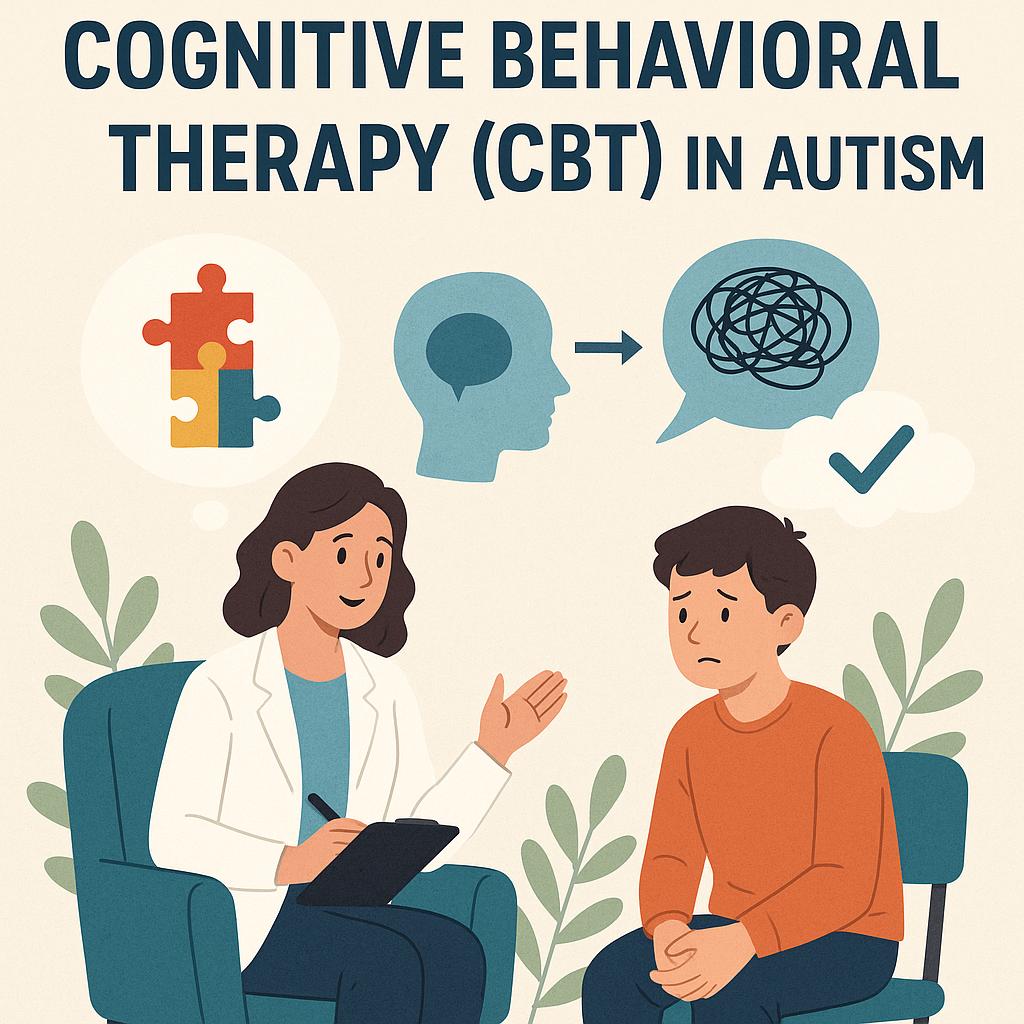
CBT is a form of psychotherapy that focuses on identifying and restructuring negative patterns of thought and behavior. It’s based on the core idea that our thoughts, feelings, and behaviors are inherently interconnected. By altering these negative patterns, CBT aims to promote improved emotional regulation and the development of personal coping strategies. Hence, it has found a place in treating various mental health issues, including depression, anxiety, and now, autism.

Historical Development and Core Principles

CBT’s origins can be traced back to the work of psychologist Aaron T. Beck in the 1960s. It stemmed from the notion that certain dysfunctional thinking patterns are key contributors to emotional distress and maladaptive behaviors. The therapy centers around collaboration between the therapist and the individual. Together, they identify problematic thoughts, challenge these thoughts, and subsequently work to replace them with more balanced and productive ones. Within this framework, individuals are encouraged to take an active role in their own recovery process, promoting a sense of autonomy and self-efficacy.

Why Adaptations for Autism Are Essential

When considering the application of CBT to autism, one must account for the inherent diversity within the autism spectrum itself. While traditional CBT has proven effective for a broad audience, adaptations are essential to meet the specific needs of individuals with autism.

Communication and Visual Aids

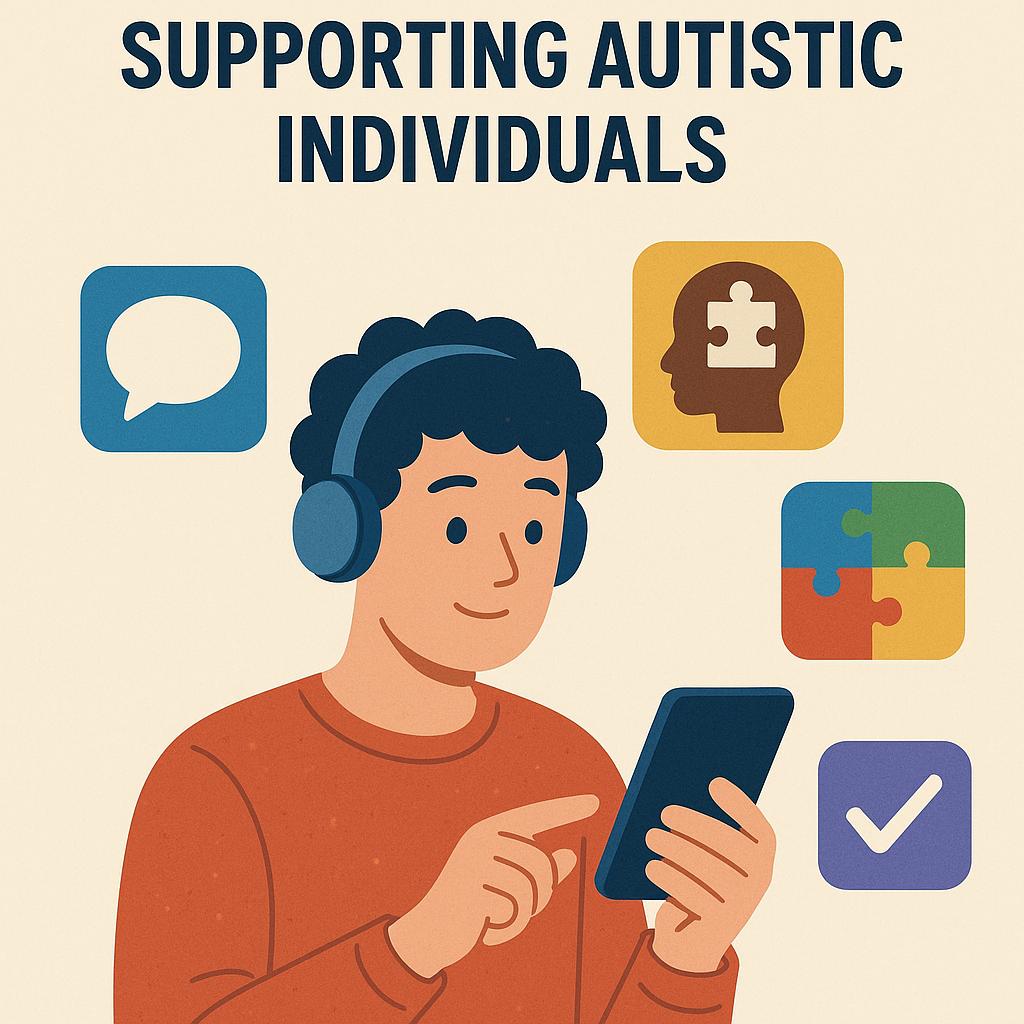
Individuals with autism often exhibit unique communication needs. To accommodate this, therapists might incorporate visual aids to simplify complex ideas, making them more accessible. Visual aids can help clarify treatment goals, expectations, and strategies, allowing individuals to engage meaningfully with the therapeutic process.

Sensory Considerations

Sensory issues are prevalent in individuals with autism, which means the therapeutic environment and interventions must be adapted accordingly. A calm, sensory-sensitive environment free of overwhelming stimuli can be crucial for effective therapy sessions. Furthermore, sensory-friendly exercises and activities can be integrated to assist individuals in managing sensory-related stress.

Benefits of CBT for Autism

CBT offers several potential benefits for individuals with autism, assisting them in various dimensions of their lives.

Enhanced Emotional Understanding

CBT can contribute significantly to emotional intelligence by helping individuals with autism gain a better understanding of their emotions and those of others. This insight can improve their ability to navigate social interactions more effectively, paving the way for healthier relationships and better social integration.

Reduction of Anxiety Levels

Anxiety is a pervasive challenge among individuals with autism. CBT can offer much-needed relief by equipping these individuals with skills to address and manage anxiety-inducing thought patterns, effectively reducing anxiety levels and improving overall well-being.

Structured Problem-Solving Skills

Through the disciplined approaches taught in CBT, individuals can learn to address and rectify challenges in a structured manner. This not only enhances their problem-solving skills but also fortifies their ability to handle everyday challenges, boosting their independence and overall functionality.

Challenges and Considerations in CBT for Autism

While CBT can be undeniably beneficial, the therapy comes with its own set of challenges, especially in the context of autism.

The Spectrum’s Variability

One major consideration is the variability inherent within the autism spectrum itself, encompassing a wide range of symptoms and abilities. This diversity necessitates a highly individualized approach, requiring practitioners to tailor CBT techniques to each individual’s unique profile.

Limitations in Efficacy

It’s crucial to acknowledge that not all individuals with autism may benefit from CBT to the same extent. Some may require alternative therapies or additional support, underscoring the importance of a personalized approach and collaborative decision-making in therapeutic settings.

Integration with Other Therapies

To offer comprehensive support, CBT can be seamlessly integrated with other therapeutic approaches.

Co-Therapy Methods

Therapies such as speech therapy, occupational therapy, and social skills training can complement CBT efforts. For example, speech therapy can enhance communication effectiveness, occupational therapy can address sensory-related challenges, and social skills training can bolster social interactions. Together, these therapies can offer a more holistic support system for individuals with autism.

Customizing a Combined Approach

By customizing a combined approach, practitioners can address various facets of autism, enabling a more rounded development. This integrative approach ensures that cognitive, emotional, social, and sensory needs are met, promoting well-rounded progress and improved quality of life for individuals with autism.

Conclusion

In conclusion, Cognitive Behavioral Therapy offers invaluable tools for individuals with autism, significantly impacting their ability to handle life’s challenges when adapted and implemented appropriately. The seamless integration of CBT with other therapeutic practices can further amplify its benefits. For further exploration of effective therapeutic practices and ongoing research, organizations like the National Autism Center and Autism Science Foundation offer a wealth of resources and insights.

Ultimately, while CBT is not a one-size-fits-all solution, its personalized application is instrumental in helping individuals with autism achieve greater self-awareness and improved social interactions. It fosters the development of critical skills, empowering them to live more fulfilling lives, thereby underscoring the importance of adapting traditional therapeutic approaches to meet the unique needs of those on the autism spectrum.