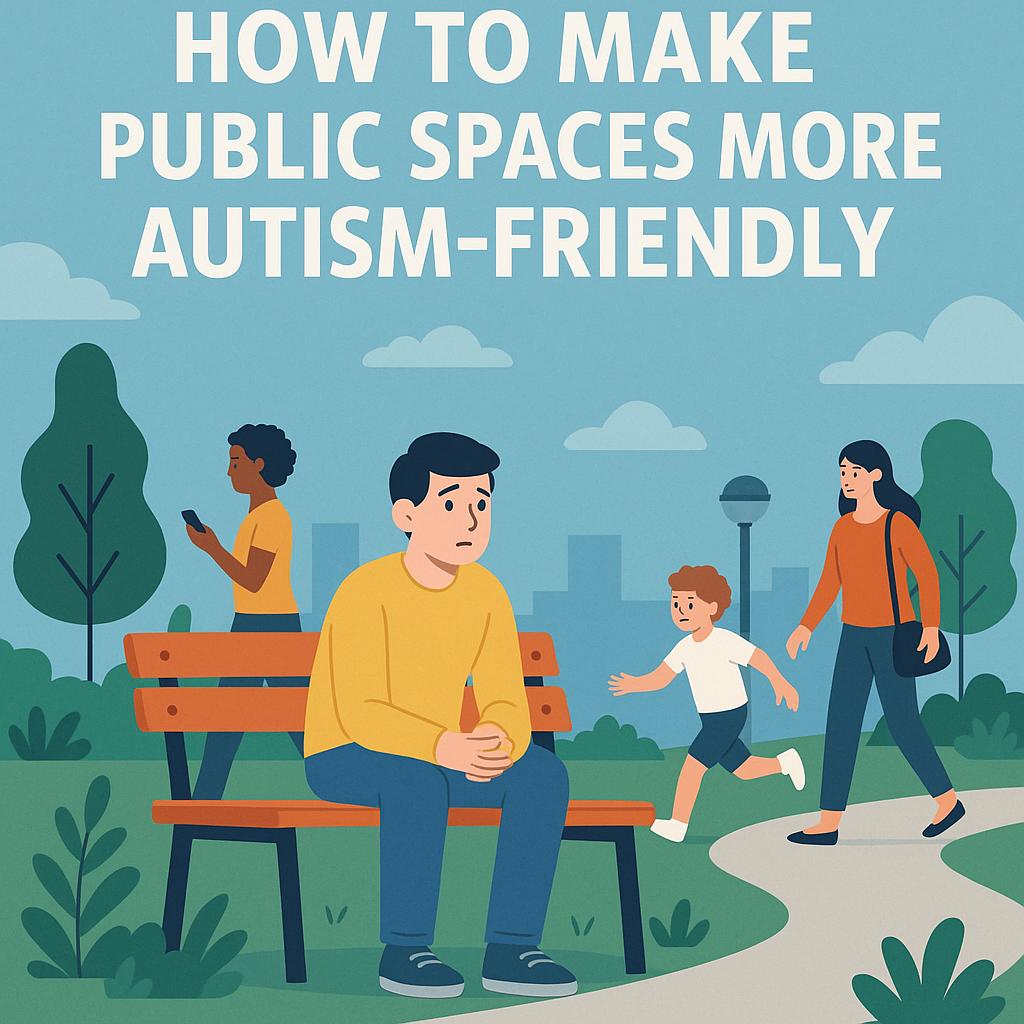
Understanding Autism and the Need for Autism-Friendly Spaces
Creating autism-friendly public spaces is a crucial task for community planners and facility managers. Individuals diagnosed with Autism Spectrum Disorder (ASD) often have distinct sensory, social, and communication needs that must be considered to foster inclusivity. Since public spaces are used by varied populations, integrating elements that are autism-friendly is an essential step in making environments more accommodating and supportive for everyone.
Key Considerations for Designing Autism-Friendly Spaces
Understanding Sensory Sensitivities: Many individuals with autism experience heightened sensory sensitivities, which can make navigating certain environments challenging. For instance, bright lights, loud noises, or overwhelming visual stimuli can be distressing and disruptive. To mitigate these challenges, public spaces can implement practical solutions such as adjustable lighting systems and soundproofing measures to create a more calming atmosphere. Additionally, providing quiet areas or sensory-friendly zones offers a necessary retreat for individuals who may feel overwhelmed. These considerations not only benefit those with autism but can also enhance the environment for all visitors by promoting a peaceful and welcoming ambiance.
Communication and Interaction
Communication and social interaction often present distinct challenges for individuals with ASD. To facilitate easier navigation and comprehension within public areas, using clear signage, pictograms, and digital displays can significantly help. By providing information and directions in a visually intuitive manner, public spaces can cater to different communication preferences. Employing universally recognizable symbols and images helps bridge communication gaps, offering clarity and ease of understanding for individuals regardless of their communicative abilities. Moreover, offering staff training focused on autism awareness can improve the quality of interactions between staff and visitors. This awareness training empowers staff with the knowledge and skills to provide better accessibility information, enhancing the overall visitor experience.
Creating Predictable Environments
For individuals with autism, consistency and predictability are foundational to a comfortable experience within public spaces. When spaces maintain routine schedules, offer clear maps, and promptly update any changes through online platforms, they provide a more predictable environment. This approach helps reduce anxiety and fosters a comforting level of familiarity, making trips to public spaces more manageable and enjoyable. Changes to the environment, such as unexpected closures or modifications, should be communicated swiftly to ensure visitors with autism can prepare accordingly.
Designing Physical Structures
Spatial Design: The physical design of a space plays a vital role in preventing overcrowding and ensuring comfortable movement. Wider walkways accommodate varied gaits and paces, allowing individuals to navigate the space without feeling rushed or crowded. Clear and well-placed signage guides visitors efficiently, reducing potential confusion or stress. An organized layout, devoid of excessive clutter, further enhances the ease of navigation, ensuring that individuals, particularly those with autism, can move about without feeling overwhelmed by too much visual information.
Inclusive and Engaging Features
To create truly inclusive public spaces, offering interactive elements that are engaging to people with autism, while also benefiting the broader community, is key. Features such as sensory gardens, which provide calming aromas, soothing sounds, and tactile experiences, offer a controlled environment in which individuals can explore and engage in a manner that feels comfortable for them. Interactive boards or panels with varying textures and shapes stimulate different senses, encouraging exploration and engagement. These features promote inclusivity by creating spaces where individuals can interact according to their comfort levels, providing autonomy and choice in how they engage with their surroundings.
The Role of Technology
Technological advancements play a significant role in enhancing the autism-friendliness of public spaces. Applications designed to guide users through new environments, offering personalized, sensory-friendly alerts, can greatly enhance the experience for individuals with autism. By integrating QR codes or NFC tags, public spaces can offer instant access to vital information, allowing visitors to better customize their experience based on individual preferences and needs. Technology in public spaces, therefore, not only supports navigation but also empowers individuals with autism to engage meaningfully with their environment.
Conclusion
The development of public spaces that thoughtfully incorporate the diverse experiences of all users, including those with autism, is integral to advancing inclusive community practices. Such development not only philanthropically serves a social need but also enriches communities by making them more accessible and welcoming to all. By employing smart design strategies, acknowledging the unique needs of people with autism, and harnessing the power of technology, public facilities can create vibrant spaces that reflect inclusivity and accessibility. This approach not only benefits individuals with autism but elevates the overall community experience, fostering a sense of belonging and equality for everyone. For additional resources and guidance on creating inclusive spaces, interested parties are encouraged to visit autism network resources.