Introduction
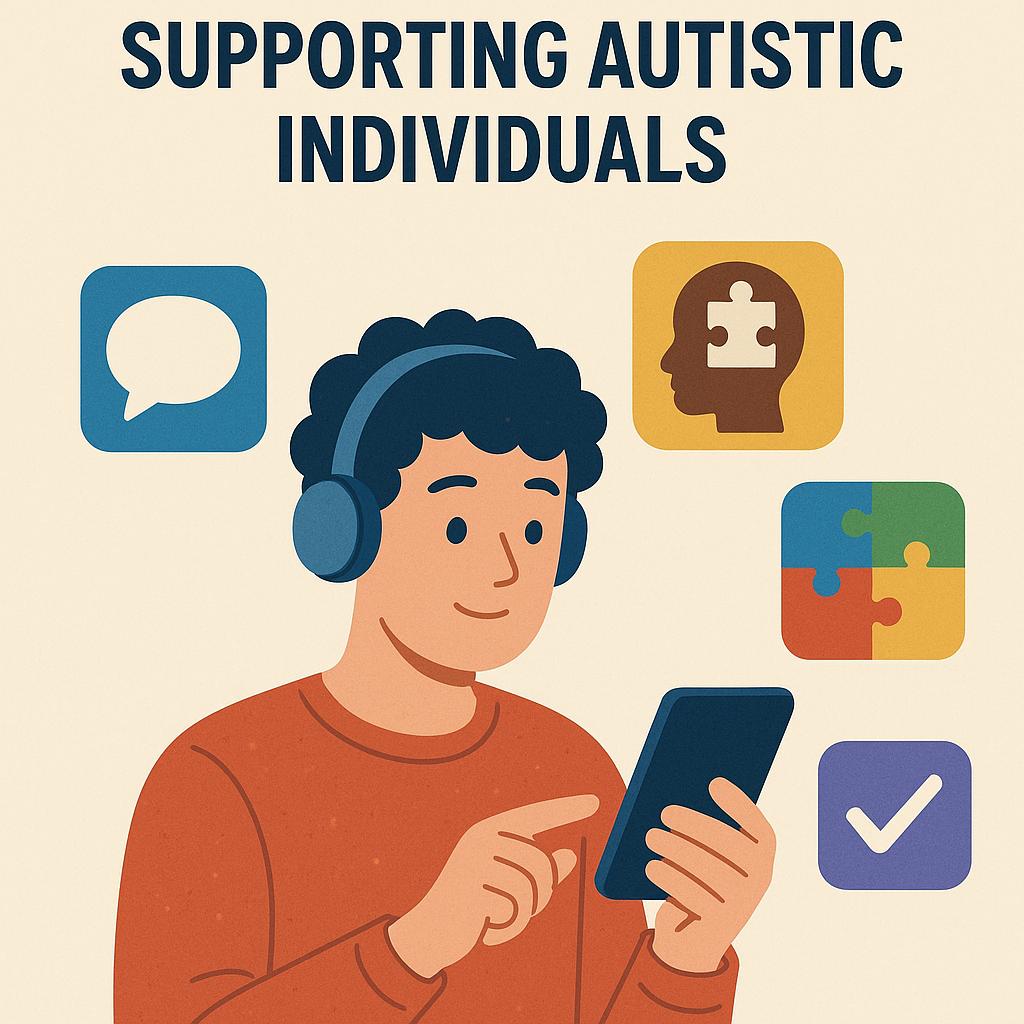
The advent of technology has ushered in numerous opportunities to support individuals with autism. Various apps have been developed to assist with communication, social skills, and organization. In this exploration, we delve into some of the most effective apps designed specifically to aid autistic individuals in their daily lives.
Understanding Autism and the Need for Specialized Apps
Autism spectrum disorder (ASD) presents unique challenges that affect communication, social interactions, and behavior. Individuals with autism often face difficulties in expressing themselves, understanding social cues, and managing daily tasks. This necessitates tools that can bridge these gaps and facilitate a smoother interaction with the world around them. The emergence of technology offers promising solutions through mobile applications tailored to meet these needs. Let’s explore the various categories of apps that have been created to assist individuals with autism.
Communication Apps
Effectively communicating thoughts and needs is a fundamental aspect of human interaction, but it can be particularly challenging for individuals with autism, especially for those who are non-verbal. Communication apps have been developed to address this challenge, providing alternative means to convey messages and interact with others.
Proloquo2Go: This is a widely acclaimed app that acts as a symbol-supported communication tool designed to aid non-verbal individuals. It provides a customizable vocabulary, which can be tailored to fit the specific communication requirements of each user. The app’s flexibility and comprehensiveness make it a preferred choice for many, enabling users to express a wide range of thoughts and emotions effectively.
Avaz: Similar to Proloquo2Go, Avaz is designed to support communication for children with autism. Featuring a user-friendly interface, Avaz allows customization of the picture vocabulary, making it accessible and easy to use for young children. The app facilitates effective communication by bridging the gap between verbal and non-verbal communication methods.
Social Skills Apps
Developing social skills is crucial for building relationships and functioning successfully in society. Social skills apps help individuals with autism understand and navigate social scenarios by providing practical guidance and tools.
Model Me Going Places®: This app uses video modeling to teach essential social skills. By depicting everyday situations such as visiting a mall or playground, it offers users practical scenarios to understand and emulate. Video modeling has been proven as an effective teaching method, as it allows users to visualize social interactions and mimic desired behaviors.
Stories About Me: This app centers around creating personalized social stories. These stories can be customized by adding photos and text, guiding individuals through various social situations they might encounter. By personalizing the stories, users can better relate to and rehearse social interactions, which can increase confidence and reduce anxiety in real-world scenarios.
Organizational Apps
For individuals with autism, organizing daily activities and understanding time management can be a daunting task. Organizational apps offer structured support to help manage these tasks effectively.
Choiceworks: Choiceworks is an app designed to support the development of daily routines and time management skills. Using visual schedules and boards, it helps users map out their day, providing a clear structure to follow. This can significantly reduce anxiety and improve productivity by breaking down tasks into manageable steps.
First Then Visual Schedule: Similar to Choiceworks, this app focuses on creating visual schedules to aid in task completion. Its flexible and user-friendly interface allows for easy modification of routines, enabling users to adapt to changes smoothly. This adaptability is crucial for maintaining a sense of stability and order.
Educational Apps
Education is a lifelong journey, and for individuals with autism, educational apps can provide engaging and interactive ways to learn new concepts.
Otsimo: Otsimo offers a range of games and educational content aimed at teaching basic concepts such as letters, numbers, and words. The app is designed to be interactive and engaging, keeping learners motivated and interested. By turning education into a game-like experience, Otsimo enhances learning retention and enjoyment.
Brain Parade’s See.Touch.Learn: This app serves as a visual teaching tool that allows users to create custom visual lessons. It makes use of the interactive touch features of iPads, replacing outdated flashcards with dynamic and engaging lessons. By catering to the visual strengths of many individuals with autism, See.Touch.Learn provides a more effective learning experience.
Factors to Consider When Choosing an App
When selecting an app for an individual with autism, it’s essential to consider their unique needs and preferences. Each individual is different, and what works for one person may not necessarily be suitable for another. Ease of use, customization options, and the app’s ability to engage the user are important factors to consider. It may also be beneficial to involve the individual in the selection process, ensuring they feel empowered and have a say in the tools they use.
Conclusion
With the vast array of applications available, finding the right one that meets specific needs can significantly enhance the quality of life for individuals with autism. It’s essential to consider the unique requirements of each individual when selecting an app, ensuring it contributes positively to their daily lives and personal development. By leveraging technology, we can continue to create supportive environments that empower individuals with autism to thrive and achieve their full potential.