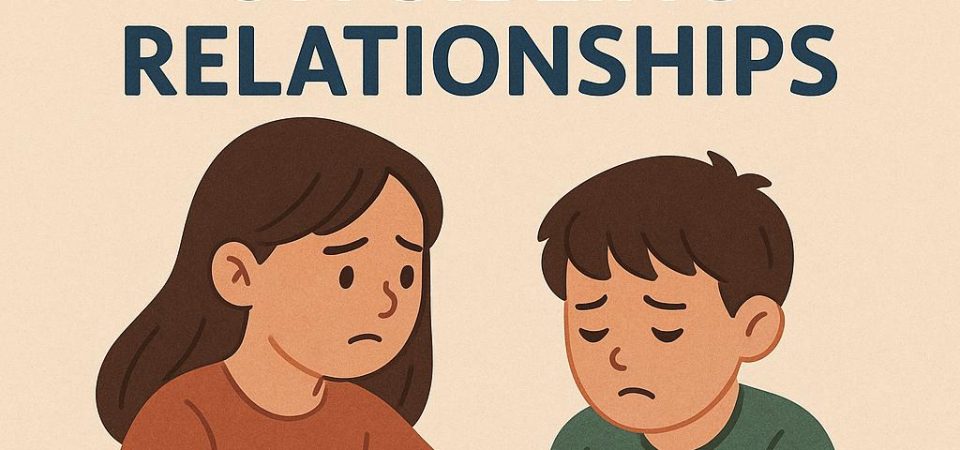
The Dynamics of Sibling Relationships in Autism
The presence of autism in a family can significantly affect the dynamics between siblings. Children with autism require focused attention, and this demand can reshape the relationships between family members. The following sections explore how autism impacts sibling interactions and the factors influencing these effects.
Understanding Autism’s Influence on Siblings
Autism Spectrum Disorder (ASD) is a developmental condition characterized by difficulties in social interaction and communication, often accompanied by repetitive behaviors or narrow interests. When a child in the family is diagnosed with ASD, siblings may experience a range of impacts, both direct and indirect.
Altered Family Roles
In families with an autistic child, siblings often assume non-traditional roles. They might take on additional responsibilities or receive less parental attention. Research indicates that siblings can become more independent as a result, sometimes leading them to mature faster. This change can foster resilience, but it can also lead to feelings of neglect or resentment.
The shifting of family roles may also lead siblings to become caretakers for their autistic brother or sister, even during formative childhood years. This responsibility might instill a sense of purpose and deep empathy, yet it can sometimes be overwhelming.
Emotional and Psychological Effects
The emotional impact on siblings varies widely. Some siblings exhibit a deep sense of empathy and understanding, while others may struggle with embarrassment or frustration due to the misunderstood behaviors of their autistic sibling. Long-term, these factors can influence their psychological development. For instance, siblings might develop stronger coping strategies but also face increased risks for anxiety or depression.
Siblings might experience a sense of pride in supporting their autistic sibling, but they might also face emotional challenges such as jealousy over the amount of attention the autistic child receives. These mixed emotions are natural and can be managed over time with open family dialog and appropriate psychological support.
Positive Interactions and Bonding
Despite potential challenges, many siblings maintain strong bonds with their autistic siblings. Shared experiences and efforts to support their sibling can enhance family cohesiveness. According to studies, such relationships often lead to increased levels of compassion, patience, and appreciation for diversity.
Moreover, the deepened understanding and bond created through these shared interactions between siblings can lead to mutually beneficial and rewarding relationships. This strengthened bond often plays a critical role during life’s significant events or transitions, forming a lasting connection that underpins the family’s overall unity.
Challenges in Peer Relationships
Siblings of autistic children may also face challenges in forming and maintaining their own friendships. They might find themselves explaining their sibling’s behavior to peers or feeling different due to their family situation. These interactions can sometimes strain their social lives, but they also develop unique perspectives that can enhance their understanding of diverse social environments.
The necessity to often clarify or advocate for their sibling could enhance their skills in areas such as patience, advocacy, and communication, aiding their social adaptability. However, it can also lead to feelings of isolation if peers are not empathetic or understanding of their experiences.
Strategies for Enhancing Sibling Relationships
There are several strategies families can adopt to foster healthy sibling relationships. Open and honest communication is essential in helping siblings voice their feelings and resolve misunderstandings. This dialogue can create a supportive environment where each child feels heard and understood.
Ensuring that each child receives individual attention from parents is crucial. This approach can alleviate feelings of neglect and emphasize the value of each sibling within the family dynamic. By scheduling one-on-one activities, parents can reinforce to each child that their individual needs and interests are equally valued.
Professional support can also be instrumental. Engaging with support groups or counseling services can provide siblings with tools and strategies to manage their feelings effectively. These platforms offer a space for siblings to connect with others who share similar experiences, fostering a sense of community and understanding.
For more information on strategies and resources, parents can visit organizations like Autism Speaks or National Autism Association.
In conclusion, while autism can alter sibling dynamics significantly, with understanding and appropriate support, these relationships can develop into rewarding and supportive connections. Effective communication, recognizing each sibling’s unique experience, and leveraging professional resources can all contribute to a positive and nurturing family environment. Understanding the multifaceted impact on sibling relationships requires ongoing attention and adaptation, ultimately celebrating the unique bonds that arise within these families.