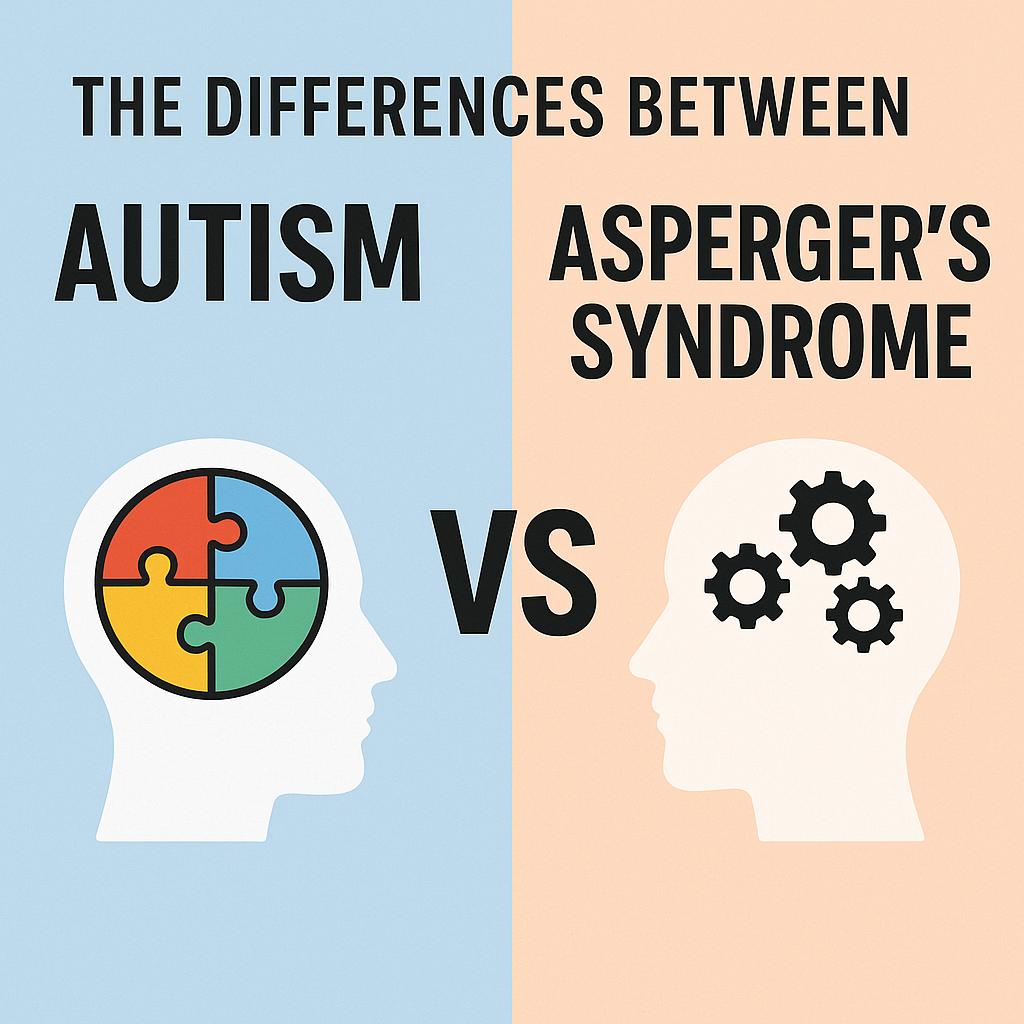
Understanding Autism Spectrum Disorder (ASD)
Autism Spectrum Disorder (ASD) is a multifaceted neurodevelopmental disorder that encompasses a range of conditions. These conditions primarily involve difficulties in social interactions, engagement in repetitive behaviors, communication challenges in speech, and nonverbal communication issues. The term “spectrum” highlights the vast diversity observed in both challenges and skills among individuals diagnosed with autism. This variability means that two individuals with ASD may have different sets of abilities and needs, which makes ASD a uniquely individual experience.
Overview of Asperger’s Syndrome
Asperger’s Syndrome, traditionally considered its distinct condition, is currently encompassed under the broad term of Autism Spectrum Disorder according to the Diagnostic and Statistical Manual of Mental Disorders, Fifth Edition (DSM-5). The shift in classification reflects the understanding that while distinctive, the characteristics of Asperger’s align closely with those seen in ASD. Historically, Asperger’s Syndrome was recognized for its less severe symptoms and the absence of significant language delays. People with this diagnosis are often described as having “high-functioning autism” due to their typically average to above-average intelligence and their ability to navigate social environments, although not without challenges.
Similarities Between Autism and Asperger’s Syndrome
There are notable overlaps in the symptoms associated with both autism and Asperger’s Syndrome. These shared characteristics provide insights into the commonalities within the autism spectrum.
Social Interaction
A significant commonality between autism and Asperger’s Syndrome involves difficulties in social interactions. Individuals with these conditions often find it hard to engage in what are considered typical social behaviors. They might struggle with comprehending both verbal and non-verbal communication cues, such as interpreting tone of voice, reading facial expressions, or understanding body language. These challenges can make socializing a complex task and often require tailored support strategies.
Repetitive Behaviors
Another shared feature is the presence of repetitive behaviors. Engaging in repetitive motions or adhering tightly to routines are prominent characteristics. For individuals with ASD, these behaviors are not mere habits but can offer a sense of comfort and predictability in an often unpredictable environment. They may also organize daily activities, providing a structure that makes daily life more understandable.
Distinctive Features of Asperger’s Syndrome
Despite being a part of ASD under the DSM-5 classification, Asperger’s Syndrome is often associated with certain distinguishing features that warrant recognition to fully appreciate the spectrum’s diversity.
Language Development
One clear distinction historically associated with Asperger’s Syndrome is related to language development. Unlike other forms of autism that might involve significant language delays, individuals with Asperger’s generally do not exhibit such delays. These individuals often have a well-developed vocabulary and, when engaged in topics that interest them, can carry on extensive conversations. Their speech may sometimes come across as more formal or pedantic, and they may display proficiency in a particular area of interest.
Intellectual Functioning
Another distinctive feature relates to intellectual functioning. Individuals with Asperger’s do not typically encounter cognitive developmental delays. They often possess average or above-average intelligence, and can excel in academic pursuits or areas of specific interest. These interests, sometimes extraordinarily intense, may focus on narrow topics, leading to extensive knowledge or skill development that can be referred to as “special interests.”
Recent Changes in Classification
The integration of Asperger’s Syndrome into the Autism Spectrum Disorder category with the release of the DSM-5 marks a significant shift in understanding these conditions. This consolidation reflects a comprehensive understanding that the variations seen between Asperger’s and other forms of autism were not sufficient for distinct diagnoses. Therefore, the diagnostic process now acknowledges a more inclusive spectrum that appreciates the nuances of each individual’s experience with autism.
The unification under the ASD umbrella aims to streamline diagnosis and treatment, ensuring that individuals receive appropriate support based on their unique needs. This change has paramount implications for educational planning, therapeutic services, and the social understanding of what autism encompasses.
Conclusion
Understanding the characteristics and symptoms associated with both autism and Asperger’s Syndrome is essential for effectively supporting individuals on the spectrum. While classification systems and diagnostic criteria have evolved over time, recognizing these distinctions within ASD is paramount for enhancing autism awareness and reflecting more accurate diagnostic practices. By acknowledging the vast diversity within the spectrum, healthcare providers, educators, and society can foster environments that are more accommodating and receptive to the unique contributions of individuals with ASD.
In the pursuit of such understanding, it’s crucial to approach each person as a unique individual, considering the wide range of abilities and challenges they experience. Such a perspective not only honors the complexity of autism but also champions a future where all individuals can thrive, regardless of where they fall on the spectrum.