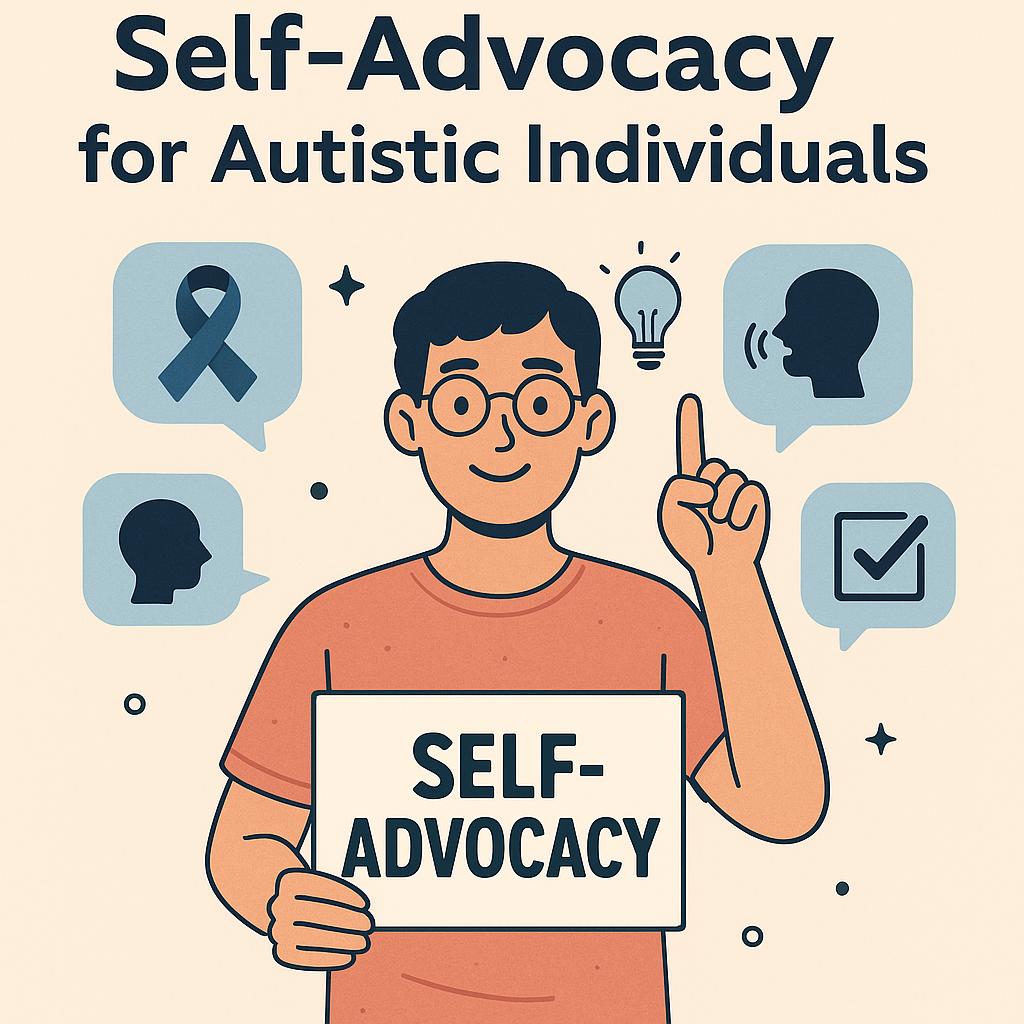
Understanding Self-Advocacy
Self-advocacy refers to the act of representing oneself or one’s views. For autistic individuals, self-advocacy is a critical skill that helps navigate various aspects of life. It involves understanding one’s own needs and effectively communicating these needs to others. This skill is essential for ensuring that autistic individuals can participate fully in educational, social, and work environments.
Why Self-Advocacy Is Crucial for Autistic Individuals
Self-advocacy is important for several reasons. Firstly, it empowers autistic individuals by giving them a voice in decisions that affect their lives. By advocating for themselves, they can ensure their unique needs are met, whether in educational settings, workplaces, or social situations.
Secondly, self-advocacy helps in building self-confidence. When individuals express their needs and preferences and see them being addressed, it can significantly enhance their self-esteem. This, in turn, can lead to greater participation and engagement in various activities.
Self-advocacy also promotes personal autonomy. By learning to express their thoughts and feelings, individuals cultivate a sense of control over their lives, which is crucial for personal development. This autonomy can cause individuals to become more proactive in their pursuits, leading to a richer engagement with the world around them.
Communicating Needs Effectively
Effective communication is a cornerstone of self-advocacy. For autistic individuals, this might mean learning different ways to communicate needs, such as through speech, writing, or alternative communication methods. Organizations and specialists often provide resources and support that can aid in developing these skills. For more information, visiting organizations like Autism Society may be beneficial.
In addition, developing communication skills is not a one-size-fits-all process. Each individual might require different strategies. For example, some might find visual aids useful, while others might benefit from technology-assisted communication devices. It’s important for educational and professional settings to recognize these differences and adjust their communication tools and methods accordingly.
Moreover, family members, educators, and colleagues can support effective communication by being patient, listening actively, and encouraging expression in all its forms. This collective approach by those around the autistic individual can substantially elevate their ability to communicate their needs and preferences in various scenarios.
Creating Supportive Environments
Creating environments where self-advocacy is encouraged plays a significant role in enhancing the effectiveness of this skill. Educational institutions and workplaces can provide platforms where autistic individuals feel comfortable expressing their needs. This involves training staff to understand and appreciate the importance of accommodating different forms of communication and interaction.
Supportive environments can also include mentorship programs where experienced individuals who have navigated similar challenges can guide those who are still learning to self-advocate. Such mentoring can provide invaluable insights and strategies that are directly applicable to real-life situations.
Besides, institutions should ensure that policies promoting inclusivity and self-advocacy are implemented effectively. This may include creating feedback mechanisms where autistic individuals can safely express their experiences and suggest improvements.
Conclusion
The importance of self-advocacy for autistic individuals cannot be understated. It is a key factor in promoting inclusivity and ensuring that their unique challenges are addressed adequately. By fostering self-advocacy skills, we empower autistic individuals to actively participate in their communities, leading to more fulfilling and independent lives. More resources and strategies for self-advocacy can be found by engaging with dedicated autism support organizations, such as The Autistic Self Advocacy Network.
In conclusion, the cultivation of self-advocacy skills represents not merely a personal advantage for autistic individuals but a societal gain in embracing diversity and difference. Empowering autistic individuals to speak up for themselves ensures that their voices contribute to the broader narrative, paving the way for a more inclusive and understanding society. Moving forward, continuous support from society is crucial in maintaining this momentum, helping to unlock the potential of autistic individuals by providing them with the necessary tools and environments to thrive.