Understanding Autism in the Context of Special Education
Autism Spectrum Disorder (ASD) is a complex developmental disability that manifests in early childhood and affects communication, social skills, and behavior. The diversity in the challenges faced by individuals with ASD necessitates a multifaceted approach, particularly in educational settings, ensuring each student receives a tailored educational experience suited to their unique needs.
Identifying Educational Needs
One of the primary tasks in educating students with autism is identifying their distinct educational requirements. No two students with autism are exactly alike, which makes the creation and implementation of Individualized Education Programs (IEPs) essential. An IEP serves as a roadmap, customized to address the strengths and challenges of a student with autism. It provides educators with strategies to navigate the nuanced landscape of teaching these students effectively.
The process of formulating an IEP involves comprehensive evaluations conducted by special education professionals and involves collaboration with parents, teachers, and sometimes the students themselves. These evaluations help in pinpointing specific areas of need, such as communication, social interaction, and behavioral management, allowing educators to devise tailored approaches.
The Role of Special Education Services
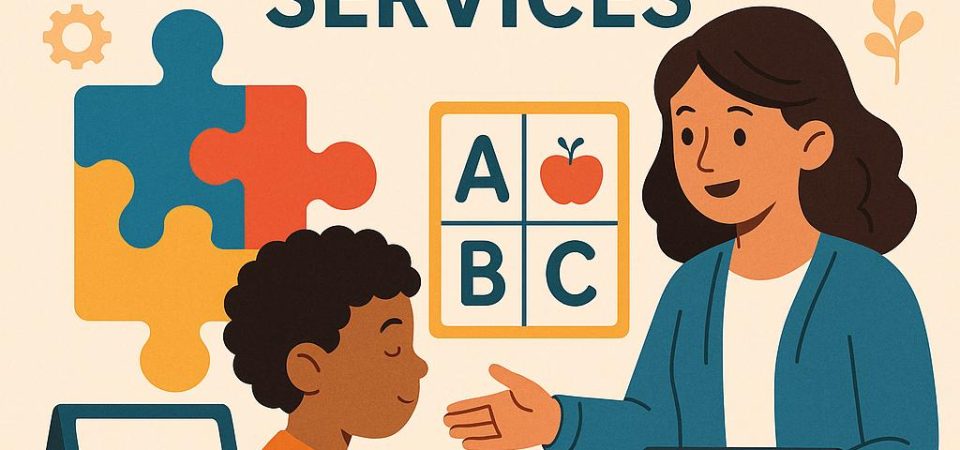
Special education services are cornerstone elements in the support framework for students with autism. These services offer vital resources and modifications, enabling students to surmount educational hurdles. Essential components include:
Speech and Language Therapy: Often, children with autism experience significant communication challenges, and speech and language therapy can be crucial in aiding them to express themselves more effectively and understand the nuances of social communication.
Occupational Therapy: This therapeutic service is instrumental in assisting students with autism to hone their fine motor skills and navigate sensory processing issues, which are common. Such therapy plays a pivotal role in helping students adapt more comfortably to their learning environments.
Behavioral Interventions: Techniques such as Applied Behavior Analysis (ABA) are widely recognized for their effectiveness in modifying behaviors. ABA focuses on promoting desirable behaviors and reducing those that might hinder learning and socialization, providing students with frameworks to improve their interaction with others.
Emphasizing a student-centered approach, these services prioritize the holistic development of students with autism, ensuring their abilities are nurtured alongside their educational advancement.
Integration into Mainstream Classrooms
Inclusion in mainstream classrooms represents a significant goal within the domain of special education for autistic students. This inclusion brings numerous advantages, such as enhanced socialization opportunities and the presentation of academic challenges that contribute to cognitive growth.
For successful integration, certain accommodations may be necessary. Adaptations can include customized lesson plans that cater to a student’s learning pace and style, providing a teaching aide to offer additional support, or organizing classroom environments to minimize sensory overload. Further, peer mentoring programs may help, where neurotypical students engage and support their autistic peers, fostering an inclusive culture within the classroom.
By experiencing education within a diverse setting, students with autism can gain invaluable insights and skills needed for social interaction, preparing them for life beyond school.
Accessing Resources and Support
The journey of supporting a child with ASD in an educational context is complex and involves navigating through various resources and guidelines. Families and educators often turn to organizations that specialize in autism for guidance. Such organizations provide insights on best practices, recent scientific findings, and updates on legislative matters affecting special education.
Individual advocacy and support networks empower families to make informed decisions and navigate the intricacies of special education systems effectively. Moreover, connecting with other families who share similar experiences through support groups can offer emotional and practical support.
Ultimately, comprehensive support, resource accessibility, and inclusive practices ensure that students with autism receive the education they deserve. Tailored educational experiences, combined with strategic support services, promise a more equitable learning environment that recognizes and celebrates the diverse potential of each student with autism.
In conclusion, embracing and addressing the unique educational needs of students with autism not only facilitates their academic growth but also fosters an environment of understanding and acceptance. Educators’ and caregivers’ roles are pivotal in orchestrating these supportive measures, setting the stage for students with autism to thrive both in school and in life beyond.