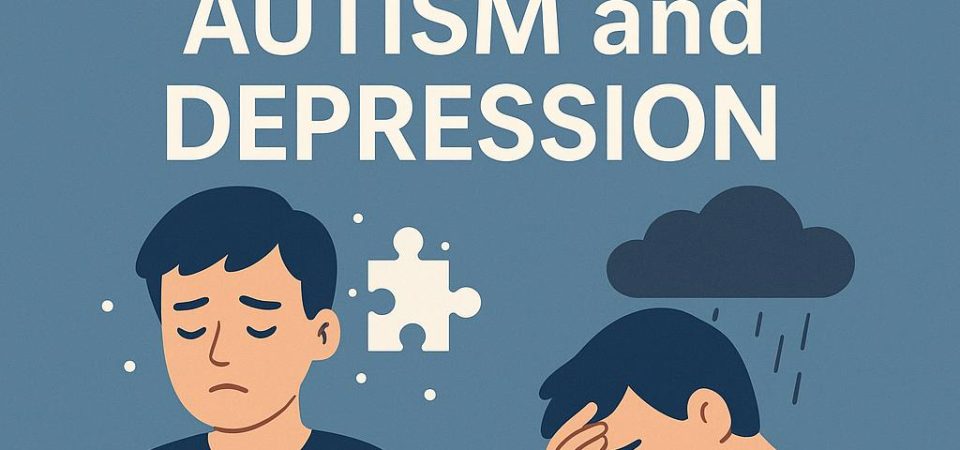
The Prevalence of Autism and Depression
Autism Spectrum Disorder (ASD) is a developmental condition that significantly impacts how individuals communicate and behave. This disorder encompasses a spectrum of challenges, which can manifest as sensory sensitivities, repetitive behaviors, and a struggle with grasping social cues. According to various studies, including those published by the Centers for Disease Control and Prevention (CDC), autism affects approximately one in 54 children in the United States, indicating a significant presence within the population.
In parallel, there is notable research highlighting the prevalence of depression among individuals with autism. Understanding this correlation is crucial to providing enhanced support and targeted interventions for those affected. Several studies illustrate that individuals diagnosed with ASD have a higher propensity for depression than their non-autistic counterparts.
Understanding the Link
The relationship between autism and depression is intricate and involves multiple dimensions. Here, we delve into several contributing factors to this association:
Social Isolation: Individuals with autism often find themselves socially isolated due to their struggles in forming and nurturing interpersonal relationships. This lack of social interaction can lead to pronounced feelings of loneliness, which may serve as a catalyst for depression.
Anxiety and Stress: Many people on the autism spectrum experience heightened anxiety levels, particularly in situations that are unpredictable or overwhelming. This chronic stress and anxiety can act as significant precursors to the development of depression.
Biological Factors: There is evidence to suggest that biological components play a role in the comorbidity of autism and depression. Research conducted by the National Institute of Mental Health (NIMH) points to shared genetic elements between these conditions, highlighting the potential for a neurobiological bridge linking the two.
Challenges in Diagnosis
Diagnosing depression in individuals who have autism presents distinct challenges. The conventional diagnostic criteria for depression are often hard to apply because of the communication barriers and social difficulties inherent in autism. Furthermore, symptoms of depression might present differently in those with autism, necessitating a more nuanced and tailored approach to diagnosis. Health practitioners need to carefully consider these factors when evaluating the mental health of those diagnosed with autism.
Approaches to Management
Effectively addressing the coexistence of autism and depression demands a comprehensive, individualized strategy, employing a variety of methods:
Therapeutic Interventions: One of the promising approaches is cognitive-behavioral therapy (CBT), which has been specially adapted to cater to the needs of autistic individuals. This therapy focuses on managing emotions and developing effective coping mechanisms, which are crucial for dealing with depression.
Medication: In some cases, prescription medication is used to manage depression symptoms. However, caution is required to consider potential side effects and interactions, an especially pertinent concern given the unique neurological profile of those with autism.
Support Systems: Establishing robust support networks comprising family, therapists, and peer support groups can profoundly impact the mental well-being of autistic individuals. By ensuring these individuals have access to necessary resources and support, the adverse impacts of isolation can be mitigated, hence enhancing their quality of life.
Conclusion
Grasping the intertwining connection between autism and depression is crucial for developing effective treatment protocols and support mechanisms. By acknowledging and understanding the unique challenges faced by individuals on the autism spectrum, healthcare providers, families, and communities are better equipped to address their mental health needs. Ongoing research is pivotal in elucidating the biological and environmental mechanisms driving this connection, thereby improving therapeutic outcomes for those affected by both autism and depression. Ultimately, a commitment to developing a deeper understanding of these issues can lead to more effective and compassionate care for individuals navigating these complex conditions.