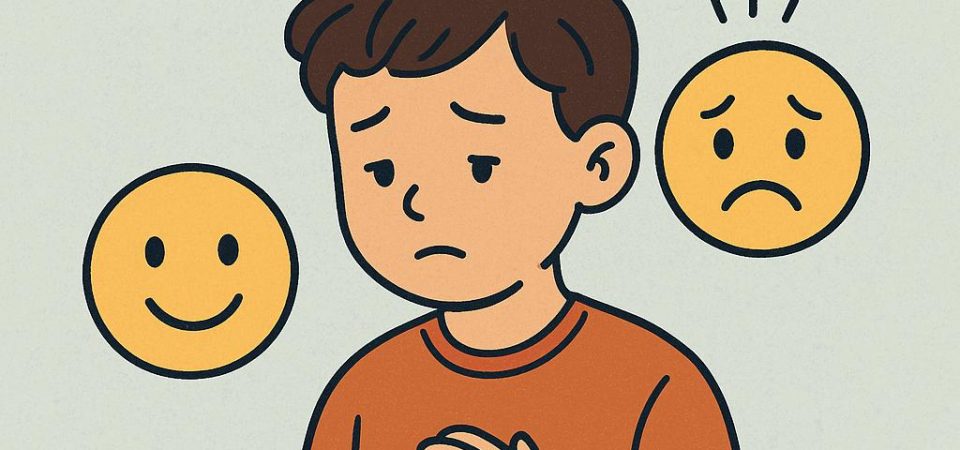
The Connection Between Autism and Emotional Expression
Autism, recognized as a neurodevelopmental condition, is known for its distinct differences in communication, behavior, and social interaction. One area where these differences prominently manifest is in the realm of emotional expression. The way individuals with autism express emotions can markedly differ from neurotypical patterns, making it essential to understand these variations. This understanding is crucial not just for the individuals themselves, but for society at large to foster more inclusive and supportive environments.
Emotional Expression Differences
The manner in which those with autism display emotional responses varies widely and can differ significantly from what is often observed in neurotypical individuals. At the core of these differences are factors such as sensory processing sensitivities and alternative interpretations of social cues.
Sensory Processing Sensitivities: One of the defining features of autism lies in how individuals experience sensory input. The world can be overwhelming due to heightened sensitivities to stimuli such as light, sound, or touch. These sensitivities can lead to overstimulation, which in turn affects emotional expression. For instance, an environment that might be mundane to a neurotypical person could feel chaotic to someone with autism, altering their emotional response accordingly.
Interpreting Social Cues: Another contributing factor to differences in emotional expression is the challenge many autistic individuals face when interpreting social cues. Nonverbal communication, which includes facial expressions and body language, is often nuanced and can be difficult for some with autism to decode. This difficulty can result in atypical responses to social interactions where emotions are concerned. Where a neurotypical person might smoothly interpret a smile or a frown, an autistic person might require more context or time to recognize and respond to these cues.
Challenges in Emotional Expression
Alongside these differences, specific challenges can make emotional expression even more complex for autistic individuals. Recognizing and addressing these challenges with empathy and understanding can significantly improve interactions and support systems.
Communication Barriers: For many on the autism spectrum, verbal communication is either limited or absent, presenting a direct barrier to expressing emotions traditionally. This gap can often be successfully bridged through augmentative and alternative communication (AAC) strategies. These strategies utilize tools like picture boards or speech-generating devices to enable individuals to communicate effectively, providing a voice for those who may not have one in the conventional sense.
Emotional Regulation: Regulating emotions is another area where autistic individuals may encounter difficulties. Situations that are overwhelming, either due to sensory overload or emotional dysregulation, may lead to sudden shifts in emotional states. These shifts are sometimes described as “meltdowns,” where emotions may be explosively expressed, or “shutdowns,” where the individual might retreat inwardly. Both require understanding and patience from those around them to navigate effectively.
Strategies for Supporting Emotional Expression
For individuals with autism, navigating emotional expression with confidence can be significantly aided by the creation of supportive environments. Such environments not only accommodate but actively facilitate healthier emotional interactions.
Structured Environments: By providing a predictable routine, structured environments can effectively minimize anxiety for autistic individuals. Tools like visual schedules and established expectations help create a sense of stability, supporting better emotional regulation. In these environments, transitions are smoother, and individuals are better prepared to handle otherwise overwhelming situations.
Encouraging Communication: While AAC tools are invaluable, encouraging other forms of self-expression can also be beneficial. Activities like art or music serve as alternative outlets for expressing emotions, enabling individuals to convey feelings and thoughts in ways that align better with their personal comfort and abilities. These creative outlets provide an additional layer of communication beyond traditional spoken language.
Further Reading and Resources
For those seeking a deeper understanding of the intricate relationship between autism and emotional expression, there are numerous resources that offer further insights and comprehensive information. Organizations and research institutions have dedicated significant efforts to this cause, and their findings can be instrumental in enhancing our collective understanding.
A few noteworthy sources include:
National Institute of Mental Health (NIMH)
These organizations provide valuable resources and data that can contribute to more inclusive and supportive communities for individuals on the autism spectrum. By delving into these materials, stakeholders ranging from educators to family members can foster environments that appreciate and empower autistic individuals in all facets of life, particularly in the realm of emotional expression.