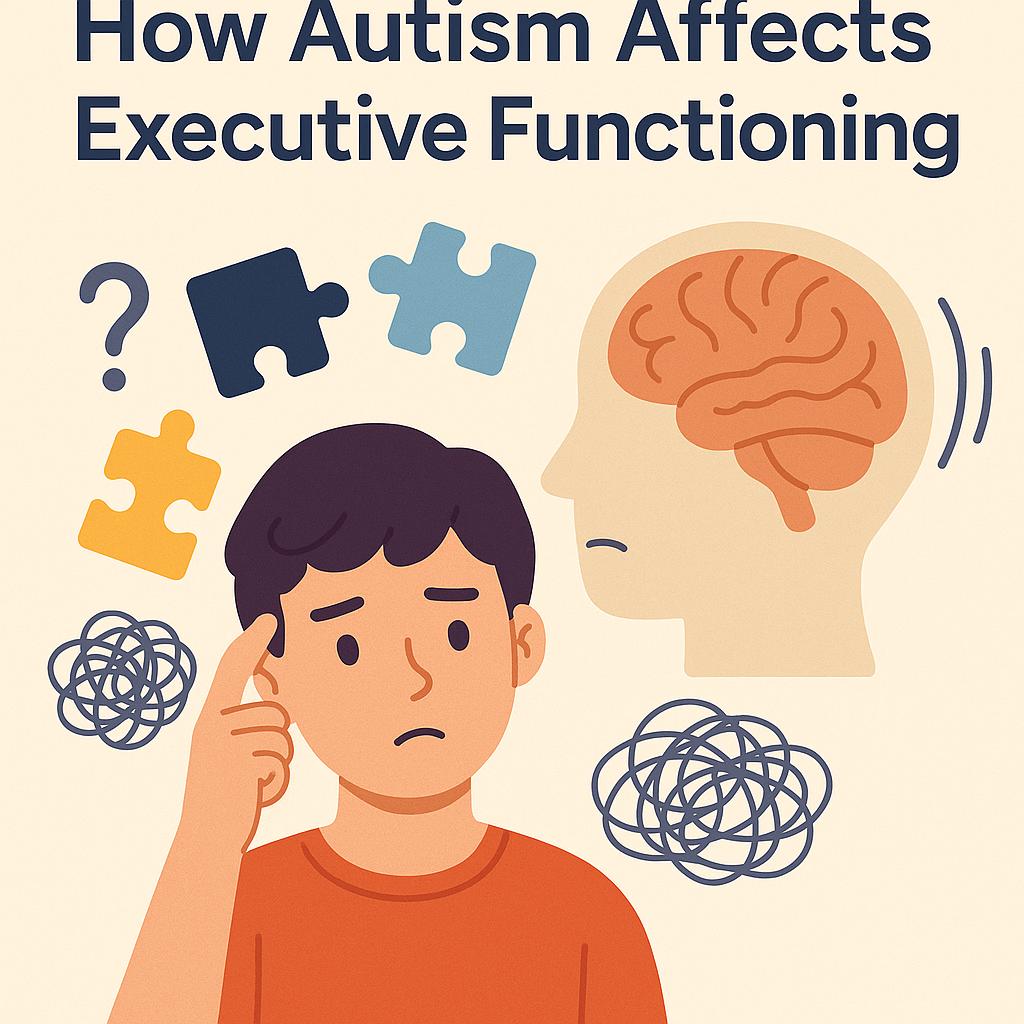
Understanding Autism and Executive Functioning
Individuals diagnosed with autism spectrum disorder (ASD) often encounter unique challenges, especially concerning executive functioning. Executive functioning refers to an essential set of mental skills that help in organizing, planning, and efficiently managing tasks. It also includes the ability to engage in flexible thinking and to exercise self-control. These challenges can significantly affect various areas of daily living and learning for those with autism.
Components of Executive Functioning
Executive functioning encompasses a range of key abilities. Understanding each component may provide insight into the specific challenges faced by individuals with autism:
Planning and Organization: The ability to set goals, develop step-by-step processes, and carry out these plans is crucial. This component involves the capability to anticipate future events and understand the sequence of actions necessary to attain a particular goal. For some individuals with autism, envisioning future events or comprehending the necessary steps to achieve an objective might be particularly challenging.
Working Memory: Working memory involves holding information in mind while using it to perform a range of tasks. It is pivotal for effective problem-solving and informed decision-making. A robust working memory is crucial when applying past experiences to present situations, aiding in learning processes and adjusting actions based on new experiences.
Inhibitory Control: Inhibitory control is the ability to suppress spontaneous reactions and impulses in favor of more considered and appropriate responses. This skill is crucial for self-regulation, allowing individuals to moderate their actions in line with societal norms and expectations.
Cognitive Flexibility: Cognitive flexibility refers to adapting to new information or changes in the environment. It enables quick shifts in thinking and behavior. For individuals on the autism spectrum, adapting swiftly to new situations or information can present substantial challenges, impacting their ability to respond suitably in social or dynamic environments.
Common Challenges in Executive Functioning for Those with Autism
Autistic individuals often encounter specific difficulties with executive functioning. Although the extent and impact may vary for each person, these challenges generally manifest in several recognizable ways:
Problems with time management: For individuals with autism, effectively managing time can be a significant challenge, often resulting in delayed task completion. This issue might be exacerbated by difficulties in estimating the amount of time different tasks will require, making planning and adhering to schedules quite challenging.
Difficulties in task initiation: Beginning a project or task can be particularly daunting, especially when multiple steps or decisions are involved. This problem tends to be linked to uncertainty about how to commence the task or select an appropriate starting point, leading to procrastination or avoidance behaviors.
Struggles with self-monitoring: Many individuals with autism find it challenging to track their progress or evaluate their performance during a task. This difficulty in self-monitoring can hinder learning and adaptation since recognizing and adjusting inefficient strategies or behaviors is an essential part of skill development and improvement.
Strategies for Supporting Executive Functioning in Autism
Given these challenges, it is crucial to support individuals with autism in enhancing their executive functioning skills. Different strategies can be employed in assisting this progression:
Creating structured environments: Establishing structured settings with clear routines and expectations can be highly beneficial. Such environments help minimize anxiety by providing a sense of predictability and reducing uncertainties about what is expected or what comes next.
Visual aids and reminders: The use of visual tools such as charts, checklists, and timers can serve as effective reminders and organizational aids. They provide visual cues that help individuals organize their tasks better and manage time more efficiently.
Breaking tasks into smaller steps: Dividing tasks into more manageable segments can make them appear less daunting and more approachable. By simplifying complex tasks into smaller components, individuals with autism may feel less overwhelmed and more capable of initiating and completing the activity.
Further Resources
For those seeking more extensive insights into autism and executive functioning, exploring specialized literature or resources from organizations dedicated to autism research and support can be incredibly fruitful. Starting with reputable resources such as Autism Speaks provides access to valuable information and research findings that can aid in better understanding and supporting individuals with autism as they navigate their unique challenges. Additionally, educational institutions often have academic publications that offer comprehensive data and research findings on the intricacies of autism and related executive functioning challenges.