How Autism is Diagnosed in Adults

How Autism is Diagnosed in Adults

Understanding Autism Diagnosis in Adults

Autism Spectrum Disorder (ASD) remains a condition largely associated with childhood. Yet, there is an increasing awareness of adults who experience the condition without a formal diagnosis. This situation underscores the importance of understanding how autism can be diagnosed in adults and how the process differs from that for children.

Initial Steps in the Diagnostic Process

For adults suspecting they might be on the spectrum, the journey towards a diagnosis starts with consulting a healthcare provider. A primary care physician serves as the initial point of contact, providing an overview of symptoms and potentially referring individuals to specialists. These specialists commonly include clinical psychologists, psychiatrists, and neurologists, each bringing a different expertise to the assessment and diagnosis of autism in adults.

Key Components of the Diagnostic Assessment

Diagnosing autism in adulthood involves a multifaceted approach. There are several integral components to this process:

Clinical Interview: This step involves an extensive and structured conversation about the individual’s developmental history. The clinician will evaluate behavioral patterns, typical communication practices, and social interactions. This conversation is not limited to present-day behavior; it requires delving into childhood history for a fuller understanding.

Standardized Tests: As part of the diagnosis, various standardized tests and questionnaires might be utilized. These are specifically designed to measure autistic traits and symptoms, aiding in the identification of challenges some individuals face. Particularly, these tests focus on difficulties related to social interactions and processing information in unique ways.

Observation and Interaction: Specialists gather substantial insights by observing how individuals interact in different situations. Through structured interactions, professionals can assess social skills and communication abilities, offering a more comprehensive picture of the individual’s behavioral patterns.

Additional Considerations

There is a necessity to note that most current diagnostic criteria for adults have their origins in frameworks originally developed for children. This awareness necessitates the acknowledgment that symptoms and manifestations can look quite different in adults. Many adults, throughout their lives, develop coping strategies that mask or minimize autistic traits. For instance, they may have adapted certain social behaviors that can, at times, obscure or diminish recognizable symptoms. Evaluating these nuanced differences becomes crucial in developing an accurate diagnosis.

Challenges in Diagnosing Adults

Various challenges present themselves when diagnosing autism in adults. One significant challenge lies in the adaptive strategies adults often develop over time. These compensatory skills can make symptoms less obvious to clinicians during evaluations. Beyond this, a host of co-occurring conditions, such as anxiety and depression, frequently accompany autism, further complicating the diagnostic process. Differentiating between the symptoms of these disorders and those of autism requires a nuanced understanding and analysis.

A correct diagnosis holds profound importance as it can open doors to appropriate support structures and interventions. Accurate diagnosis determines access to targeted therapies that could significantly enhance life quality.

For those seeking even more comprehensive information on autism diagnosis in adults, professional health sites such as the CDC and the NIMH provide excellent resources.

The careful and thorough diagnostic process for autism in adults necessitates an expertise that appreciates the unique presentation of autism across different life stages. Achieving a precise diagnosis allows individuals on the spectrum to link up with the right resources, helping them navigate pathways toward personal fulfillment and improved daily living.


The Importance of Routine for People with Autism

The Importance of Routine for People with Autism

The Role of Routine in Autism

Routine plays a significant role in the daily lives of individuals with autism spectrum disorder (ASD). Due to the characteristics associated with autism, such as difficulties in social communication and interaction, and a preference for repetitive behaviors, establishing a structured routine can be beneficial to them in various aspects of life.

Why Routine is Beneficial

For individuals with autism, the world can often appear unpredictable and overwhelming. Routine provides a sense of stability and predictability. This can reduce anxiety and stress, which are common challenges faced by those with autism. When the daily activities are predictable, it helps individuals feel more in control and less anxious about what to expect. Routine acts as an anchor, providing parameters that create a more manageable environment.

Consistency and Predictability

Consistency in routine provides a feeling of safety and familiarity. For example, knowing what to expect during the day can help individuals with autism focus better on tasks and activities. This consistency can also extend to environments, such as at home or school, where predictable routines can improve both learning and behavior. Apart from the psychological comfort it provides, consistency also aids in establishing a sense of time. For instance, having meals or bedtime at the same time every day helps in creating an internal clock.

Furthermore, the predictability of routine minimizes the cognitive load on an individual with autism, allowing them to direct their energy towards engaging more deeply in activities and interactions. This can be particularly beneficial in classroom settings where learning is the primary focus.

Developing Independence

With routines, individuals with autism can learn to complete daily activities independently. By repeatedly performing tasks and activities in the same order and context, they can build confidence and develop more independence over time. This aspect of learning through repetition is essential for acquiring new skills and reinforcing existing ones. Independence in daily tasks, such as dressing, eating, and grooming, can significantly enhance the self-esteem of individuals with autism.

Having a structured routine allows individuals to practice tasks in a low-pressure environment, allowing them to master necessary skills at their own pace. Gradually, as their competence grows, they require less supervision, encouraging self-reliance. This independence is vital for their future as it contributes to their capability to manage their personal needs and desires responsibly.

Implementing Effective Routines

Creating an effective routine requires understanding individual preferences and needs. Involving individuals with autism in planning their schedule can increase their engagement and acceptance of the routine. The importance of routines can never be overstated, but personalization of these routines ensures they cater to the unique requirements of each individual.

Visual Supports

Many people with autism are visual thinkers. Using visual supports, such as schedules and checklists, can be an effective way to communicate routines. These tools can be easily adapted to fit individual preferences and can provide clear expectations for each part of the day. Visual supports like picture cards, charts, or interactive apps can be integrated into daily activities to help guide individuals through their tasks.

Including images and symbols in routine schedules can make them more accessible to those who find verbal instructions challenging. They offer a visual cue that can help individuals understand and anticipate upcoming activities, facilitating smoother transitions. By consistently using visual aids, caregivers and educators can enhance communication and foster more independence.

Flexibility and Adjustments

While routines are important, it is also necessary to incorporate flexibility. Sudden changes can be distressing, so preparing for unforeseen events is crucial. Gradual adjustments and preparation for changes help in maintaining stability, even when disruptions occur. Flexibility within a routine ensures that individuals are not overwhelmed by changes and can adapt to new situations more comfortably.

Creating a balance between routine and adaptability can be achieved by including variables in the routine that allow for minor changes without complete disruption. For instance, introducing a “choice time” where individuals can select activities offers a controlled environment while accommodating personal interests and variations.

Understanding the concept of flexibility is equally vital for caregivers, educators, and family members, so that they can provide support without causing unnecessary stress or anxiety. Encouraging small, manageable changes and positive reinforcement can help individuals with autism learn to navigate unexpected scenarios with more ease.

Conclusion

Routine is a crucial tool for managing the challenges associated with autism. By providing structure and predictability, routines can reduce anxiety, encourage independence, and improve the overall quality of life for those with autism. It is important for caregivers and educators to create and maintain effective routines, while also being adaptable to individual needs and changes.

Moreover, a well-structured routine provides a vehicle for learning and adapting to society’s norms and expectations in a supportive manner. Recognizing the need for flexibility within these routines is essential. Tailoring routines to meet individual needs and gradually introducing new elements can help build resilience and adaptability in individuals with autism.

Ultimately, the goal is to create an environment where individuals with autism can thrive independently while feeling safe and supported. Emphasizing the importance of routine combined with sensitivity to the need for personal space, preference, and adaptability can contribute significantly to a fulfilling life for those on the autism spectrum.

How Autism Affects Executive Functioning

How Autism Affects Executive Functioning

Understanding Autism and Executive Functioning

Individuals diagnosed with autism spectrum disorder (ASD) often encounter unique challenges, especially concerning executive functioning. Executive functioning refers to an essential set of mental skills that help in organizing, planning, and efficiently managing tasks. It also includes the ability to engage in flexible thinking and to exercise self-control. These challenges can significantly affect various areas of daily living and learning for those with autism.

Components of Executive Functioning

Executive functioning encompasses a range of key abilities. Understanding each component may provide insight into the specific challenges faced by individuals with autism:

Planning and Organization: The ability to set goals, develop step-by-step processes, and carry out these plans is crucial. This component involves the capability to anticipate future events and understand the sequence of actions necessary to attain a particular goal. For some individuals with autism, envisioning future events or comprehending the necessary steps to achieve an objective might be particularly challenging.

Working Memory: Working memory involves holding information in mind while using it to perform a range of tasks. It is pivotal for effective problem-solving and informed decision-making. A robust working memory is crucial when applying past experiences to present situations, aiding in learning processes and adjusting actions based on new experiences.

Inhibitory Control: Inhibitory control is the ability to suppress spontaneous reactions and impulses in favor of more considered and appropriate responses. This skill is crucial for self-regulation, allowing individuals to moderate their actions in line with societal norms and expectations.

Cognitive Flexibility: Cognitive flexibility refers to adapting to new information or changes in the environment. It enables quick shifts in thinking and behavior. For individuals on the autism spectrum, adapting swiftly to new situations or information can present substantial challenges, impacting their ability to respond suitably in social or dynamic environments.

Common Challenges in Executive Functioning for Those with Autism

Autistic individuals often encounter specific difficulties with executive functioning. Although the extent and impact may vary for each person, these challenges generally manifest in several recognizable ways:

Problems with time management: For individuals with autism, effectively managing time can be a significant challenge, often resulting in delayed task completion. This issue might be exacerbated by difficulties in estimating the amount of time different tasks will require, making planning and adhering to schedules quite challenging.

Difficulties in task initiation: Beginning a project or task can be particularly daunting, especially when multiple steps or decisions are involved. This problem tends to be linked to uncertainty about how to commence the task or select an appropriate starting point, leading to procrastination or avoidance behaviors.

Struggles with self-monitoring: Many individuals with autism find it challenging to track their progress or evaluate their performance during a task. This difficulty in self-monitoring can hinder learning and adaptation since recognizing and adjusting inefficient strategies or behaviors is an essential part of skill development and improvement.

Strategies for Supporting Executive Functioning in Autism

Given these challenges, it is crucial to support individuals with autism in enhancing their executive functioning skills. Different strategies can be employed in assisting this progression:

Creating structured environments: Establishing structured settings with clear routines and expectations can be highly beneficial. Such environments help minimize anxiety by providing a sense of predictability and reducing uncertainties about what is expected or what comes next.

Visual aids and reminders: The use of visual tools such as charts, checklists, and timers can serve as effective reminders and organizational aids. They provide visual cues that help individuals organize their tasks better and manage time more efficiently.

Breaking tasks into smaller steps: Dividing tasks into more manageable segments can make them appear less daunting and more approachable. By simplifying complex tasks into smaller components, individuals with autism may feel less overwhelmed and more capable of initiating and completing the activity.

Further Resources

For those seeking more extensive insights into autism and executive functioning, exploring specialized literature or resources from organizations dedicated to autism research and support can be incredibly fruitful. Starting with reputable resources such as Autism Speaks provides access to valuable information and research findings that can aid in better understanding and supporting individuals with autism as they navigate their unique challenges. Additionally, educational institutions often have academic publications that offer comprehensive data and research findings on the intricacies of autism and related executive functioning challenges.

The Differences Between Autism and Asperger’s Syndrome

The Differences Between Autism and Asperger’s Syndrome

Understanding Autism Spectrum Disorder (ASD)

Autism Spectrum Disorder (ASD) is a multifaceted neurodevelopmental disorder that encompasses a range of conditions. These conditions primarily involve difficulties in social interactions, engagement in repetitive behaviors, communication challenges in speech, and nonverbal communication issues. The term “spectrum” highlights the vast diversity observed in both challenges and skills among individuals diagnosed with autism. This variability means that two individuals with ASD may have different sets of abilities and needs, which makes ASD a uniquely individual experience.

Overview of Asperger’s Syndrome

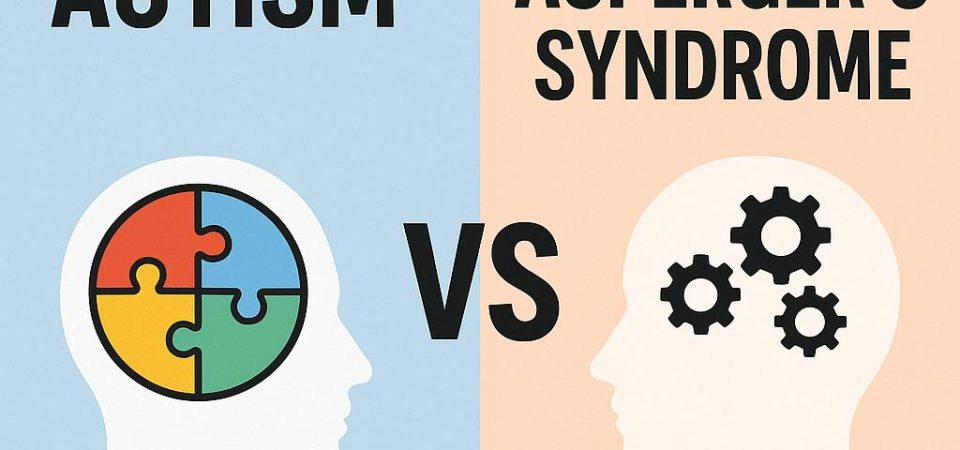
Asperger’s Syndrome, traditionally considered its distinct condition, is currently encompassed under the broad term of Autism Spectrum Disorder according to the Diagnostic and Statistical Manual of Mental Disorders, Fifth Edition (DSM-5). The shift in classification reflects the understanding that while distinctive, the characteristics of Asperger’s align closely with those seen in ASD. Historically, Asperger’s Syndrome was recognized for its less severe symptoms and the absence of significant language delays. People with this diagnosis are often described as having “high-functioning autism” due to their typically average to above-average intelligence and their ability to navigate social environments, although not without challenges.

Similarities Between Autism and Asperger’s Syndrome

There are notable overlaps in the symptoms associated with both autism and Asperger’s Syndrome. These shared characteristics provide insights into the commonalities within the autism spectrum.

Social Interaction

A significant commonality between autism and Asperger’s Syndrome involves difficulties in social interactions. Individuals with these conditions often find it hard to engage in what are considered typical social behaviors. They might struggle with comprehending both verbal and non-verbal communication cues, such as interpreting tone of voice, reading facial expressions, or understanding body language. These challenges can make socializing a complex task and often require tailored support strategies.

Repetitive Behaviors

Another shared feature is the presence of repetitive behaviors. Engaging in repetitive motions or adhering tightly to routines are prominent characteristics. For individuals with ASD, these behaviors are not mere habits but can offer a sense of comfort and predictability in an often unpredictable environment. They may also organize daily activities, providing a structure that makes daily life more understandable.

Distinctive Features of Asperger’s Syndrome

Despite being a part of ASD under the DSM-5 classification, Asperger’s Syndrome is often associated with certain distinguishing features that warrant recognition to fully appreciate the spectrum’s diversity.

Language Development

One clear distinction historically associated with Asperger’s Syndrome is related to language development. Unlike other forms of autism that might involve significant language delays, individuals with Asperger’s generally do not exhibit such delays. These individuals often have a well-developed vocabulary and, when engaged in topics that interest them, can carry on extensive conversations. Their speech may sometimes come across as more formal or pedantic, and they may display proficiency in a particular area of interest.

Intellectual Functioning

Another distinctive feature relates to intellectual functioning. Individuals with Asperger’s do not typically encounter cognitive developmental delays. They often possess average or above-average intelligence, and can excel in academic pursuits or areas of specific interest. These interests, sometimes extraordinarily intense, may focus on narrow topics, leading to extensive knowledge or skill development that can be referred to as “special interests.”

Recent Changes in Classification

The integration of Asperger’s Syndrome into the Autism Spectrum Disorder category with the release of the DSM-5 marks a significant shift in understanding these conditions. This consolidation reflects a comprehensive understanding that the variations seen between Asperger’s and other forms of autism were not sufficient for distinct diagnoses. Therefore, the diagnostic process now acknowledges a more inclusive spectrum that appreciates the nuances of each individual’s experience with autism.

The unification under the ASD umbrella aims to streamline diagnosis and treatment, ensuring that individuals receive appropriate support based on their unique needs. This change has paramount implications for educational planning, therapeutic services, and the social understanding of what autism encompasses.

Conclusion

Understanding the characteristics and symptoms associated with both autism and Asperger’s Syndrome is essential for effectively supporting individuals on the spectrum. While classification systems and diagnostic criteria have evolved over time, recognizing these distinctions within ASD is paramount for enhancing autism awareness and reflecting more accurate diagnostic practices. By acknowledging the vast diversity within the spectrum, healthcare providers, educators, and society can foster environments that are more accommodating and receptive to the unique contributions of individuals with ASD.

In the pursuit of such understanding, it’s crucial to approach each person as a unique individual, considering the wide range of abilities and challenges they experience. Such a perspective not only honors the complexity of autism but also champions a future where all individuals can thrive, regardless of where they fall on the spectrum.