How to Create an Autism-Friendly Home Environment

How to Create an Autism-Friendly Home Environment

Understanding Autism and Sensory Needs

Creating an autism-friendly home environment begins with understanding the unique sensory needs and preferences of individuals with autism. Given their varying sensitivities, it’s essential to tailor the changes to meet particular requirements. Autistic individuals may either be hypersensitive or hyposensitive to sensory inputs such as light, sound, texture, and temperature.

Assess the Environment

A thorough assessment of the existing environment is the first step in determining areas that might cause discomfort or overstimulation. This process involves observing how the individual interacts with different spaces within the home and identifying any signs of distress or discomfort. Consulting with an occupational therapist can provide additional insights tailored to individual needs, which can be invaluable in creating a supportive environment.

Adjust Lighting

The quality of lighting can profoundly affect sensory processing. Opting for natural lighting as much as possible can help reduce the overstimulation caused by harsh artificial lights. If this isn’t feasible, employing dimmable lights can allow adjustments throughout the day, ensuring that the lighting conditions can be tailored to suit the individual’s preferences. For those who are particularly sensitive to fluorescent lighting, switching to LEDs can be beneficial as these lights commonly emit a softer glow.

Minimize Noise

Noise represents a significant source of distress for many autistic individuals. Employing soundproofing materials such as rugs, curtains, and acoustic panels can help reduce ambient noise levels significantly. Incorporating white noise machines or music players that feature calming soundtracks will also transform the auditory environment into a soothing space. Teaching family members to use headphones when engaging in activities that could be deemed noisy is another valued tactic in minimizing overall noise disturbances.

Control Textures and Fabrics

Textures can provide either comfort or discomfort, depending on individual preference. Ensuring a supply of soft, hypoallergenic fabrics for bedding, clothing, and furniture can promise tactile comfort. It is crucial to pay attention to potentially irritating factors such as clothing seams and tags. Allowing the individual to choose preferred textures within their personal space promotes comfort and personal agency.

Organizing and Structuring the Environment

Crafting a well-organized and structured environment is instrumental in managing sensory inputs and orchestrating daily routines, offering a stable sense of security and predictability.

Create Designated Spaces

Designating specific areas for different activities aids in establishing clear routines. For example, creating distinct zones for learning, relaxation, and play can clarify transitions between activities. Using visual markers or colors to define these zones further reinforces their purposes, assisting in smoother shifts from one to the next.

Use Visual Supports

Visual supports can be valuable tools in enhancing communication and understanding within the home. Utilizing visual schedules, labels, and signs clearly conveys essential information. Employing picture-based reminders for daily tasks can foster independence while minimizing anxiety.

Simplify and Declutter

A cluttered environment may overwhelm individuals with autism. Reducing superfluous items and maintaining a clean, organized space is key to sustaining comfort. Implementing efficient storage solutions like bins and shelves can help maintain organization, keeping frequently used items readily available.

Encouraging Calm and Relaxation

Introducing features that promote calmness and relaxation is crucial when crafting a home environment favorable to autistic individuals.

Calming Colors and Decor

Selecting calming colors for walls and decor, such as soft blues, greens, or neutrals, can significantly enhance the sense of tranquility in a space. Steering clear of bright, bold patterns or busy wallpapers can help prevent overstimulation. Simple, uncluttered art pieces can also contribute positively to the overall calm atmosphere.

Safe Retreats

Providing a safe retreat or cozy nook where the individual can seek solitude is paramount. Filling this area with comforting items such as weighted blankets, plush cushions, or rocking chairs assists in self-soothing activities. Offering the individual a choice in selecting items for their retreat fosters a sense of ownership over their personal sanctuary.

Sensory Tools and Toys

Incorporating sensory tools and toys that correspond to the individual’s preferences, such as fidget spinners, putty, or sensory bins, can aid self-regulation and engagement by offering tactile stimulation when required. Providing these supports helps create an engaging environment conducive to positive sensory experiences.

In summary, by understanding and addressing the specific needs of individuals with autism, it is possible to create a home environment that is both supportive and enriching. A thoughtful approach to factors like lighting, noise, textures, and overall structure can significantly contribute to the comfort and well-being of autistic individuals, laying the groundwork for harmonious living and increased personal satisfaction. Through deliberate adjustments and considerations, the home environment can become a haven that encourages both personal growth and relaxation.


The Challenges of Autism in the Workplace

The Challenges of Autism in the Workplace

Understanding Autism in the Workplace

Autism spectrum disorder (ASD) is a developmental condition that involves a range of challenges primarily in social interaction, communication, and repetitive behaviors. The rising awareness of autism brings to light the need to understand its implications in various settings, particularly in the workplace. This understanding is crucial for creating inclusive environments where individuals with autism can thrive professionally.

Prevalence and Employment Statistics

In terms of prevalence, autism affects approximately 1 in 54 children according to data from the Centers for Disease Control and Prevention (CDC). This statistic underscores the importance of recognizing autism as a significant aspect of workplace diversity. In the professional realm, individuals with autism often encounter substantial barriers when seeking employment. Disturbingly, only about 16% of autistic adults in the United States are found in full-time salaried positions. This statistic is not just a number; it highlights the pressing need for more inclusive and equitable employment practices that accommodate the unique strengths and challenges of autistic employees.

Challenges Faced by Autistic Employees

The workplace entails various dynamics and expectations that can be particularly challenging for individuals with autism. Understanding these challenges is the first step toward building a supportive environment:

1. Communication Differences: Communication differences are a primary barrier. Individuals with autism may find it difficult to engage in typical verbal and non-verbal exchanges. They might interpret language literally, miss social cues, or find it hard to engage in small talk, all of which can lead to misunderstandings with colleagues and management. These communication dynamics require adjustment and awareness from all involved parties to foster an inclusive and collaborative work environment.

2. Sensory Sensitivities: Another significant challenge is sensory sensitivities, which affect many autistic individuals. These sensitivities can involve heightened reactions to sounds, lights, or any other sensory inputs, potentially leading to overwhelming experiences in typical office settings. Traditional office environments, often filled with constant noise and varied visual stimuli, can result in discomfort and a decrease in productivity for those sensitive to such elements. Acknowledging and addressing these sensitivities is essential to improving the work experience for autistic employees.

3. Need for Routine and Predictability: Structure and routine play a vital role in the productivity of many autistic individuals. They often excel in environments where tasks are predictable and changes are minimal. Sudden alterations to their work routine or unexpected tasks can lead to increased stress and anxiety, a scenario that can be mitigated by understanding and accommodating their need for routine.

Strategies for Employers

To foster a more inclusive workplace, employers can implement a variety of strategies aimed at supporting autistic employees. The goal is to adapt work environments and policies in a manner that encourages productivity and comfort:

Adjusting the Workplace Environment: Employers can make impactful changes by adjusting the physical work environment. This might involve providing noise-canceling headphones for employees affected by auditory distractions or allowing flexible working hours for those who function better outside the traditional 9-to-5 schedule. Such modifications can significantly reduce sensory overload and create a conducive workplace atmosphere.

Clear Communication: Effective communication is another cornerstone of supporting autistic employees. Providing written instructions and guidelines can assist those who struggle with interpreting spoken language. Clear and concise communication minimizes misunderstandings and helps in setting clear expectations. Additionally, offering regular feedback and positive reinforcement can greatly enhance the work experience for autistic individuals, contributing to their professional growth and sense of belonging.

Training and Awareness: Implementing training programs for all staff members can enhance understanding and awareness of autism within the organization. These programs serve a dual purpose by promoting a culture of inclusivity and equipping employees with the knowledge to be supportive colleagues. Awareness training can play a crucial role in breaking down stereotypes and fostering appreciation for diversity in the workplace.

Concluding Thoughts

While it is true that individuals with autism may face unique challenges in the workplace, they also bring exceptional skills and talents to their roles. Many autistic individuals possess attributes such as attention to detail, strong memory skills, and the ability to excel in rule-based or repetitive tasks. These strengths make them valuable assets in a wide range of industries. Employers who make the effort to understand and adapt to the needs of autistic employees can access a rich pool of diverse skills and perspectives that enhance overall organizational performance.

Investing in a workplace culture that values diversity benefits not only individuals with autism but the organization as a whole. Creating an inclusive work environment helps companies remain compliant with inclusion standards and allows for broader contributions from all employees, leading to innovative solutions and a more positive workplace atmosphere.

Recognizing and accommodating the needs of autistic employees is a step forward to achieving true workplace diversity and inclusivity. For more information and resources on how organizations can support employees with autism, visit Autism Society.

Autism and Bullying: Understanding the Risks

Autism and Bullying: Understanding the Risks

Introduction to Autism and Bullying

Bullying is a pervasive issue that affects many individuals, but autistic individuals are often at a heightened risk. Understanding the unique vulnerabilities and challenges they face is crucial in creating supportive and safe environments. By exploring the intersection of autism and bullying, we can work towards more inclusive and empathetic communities.

Understanding Autism

Autism Spectrum Disorder (ASD) is widely recognized as a developmental condition marked by distinct challenges in social communication. It also features repetitive behaviors and restricted interests as core components. However, it is important to note that autism is referred to as a spectrum disorder because it manifests differently in each individual. Some may have significant communication challenges, while others may be highly verbal yet struggle with non-verbal cues. The diversity within autism means that individuals may experience a broad range of symptoms and abilities.

To delve deeper into the complex nature of autism, consider exploring resources from organizations dedicated to this cause. For more detailed information, Autism Speaks is a valuable resource that can provide more insight into ASD and its multifaceted presentations.

Prevalence of Bullying in Autistic Individuals

Research underscores the concerning reality that children and adolescents with autism are disproportionately affected by bullying compared to their neurotypical peers. Studies consistently highlight the vulnerability faced by autistic students, as a significant number experience bullying within school environments. This bullying can take various forms, including but not limited to verbal harassment, physical aggression, and social exclusion.

Factors Contributing to Bullying

Several factors contribute to the heightened risk of bullying among individuals with autism. These factors can vary widely based on the environment and the specific challenges each individual may face.

Social Communication Challenges: One of the hallmarks of autism is difficulty in interpreting social cues. This can make it challenging for autistic individuals to accurately read social situations or respond in ways typical for their neurotypical peers. This vulnerability can make them more susceptible to bullying.

Distinct Behaviors: Autistic individuals often engage in repetitive or atypical behaviors. While these are natural expressions for someone on the spectrum, they may draw unwanted attention or ridicule from peers who do not understand these behaviors.

Inclusive Environments: The lack of inclusivity in certain schools and social settings can inadvertently isolate autistic individuals. Environments that do not have inclusive practices can create situations where these individuals are left out, increasing their risk of being targeted by bullies.

Impact of Bullying on Autistic Individuals

The consequences of bullying on autistic individuals are severe and can have long-lasting effects that extend into adulthood. Understanding these impacts is crucial for developing strategies to assist and support those affected.

Mental Health: Bullying significantly impacts mental health, often leading to increased levels of anxiety, depression, and stress among autistic individuals. Their unique challenges may exacerbate these feelings, making it essential to provide tailored support.

Academic Performance: A hostile or unsupportive environment can decrease engagement in academic activities, resulting in difficulties with concentration and overall academic performance. This can further exacerbate feelings of isolation and disconnection from the school community.

Social Withdrawal: The trauma of being bullied often leads individuals to avoid social situations. This withdrawal is a protective mechanism but can further alienate them from their peers, hampering their ability to develop critical social skills and build lasting relationships.

Preventing and Addressing Bullying

Taking proactive steps to address and prevent bullying is essential. By implementing preventative measures and interventions, we can significantly reduce bullying incidents and their harmful effects.

Education and Awareness: Educating peers about autism and the unique challenges faced by autistic individuals is a foundational step in fostering empathy and understanding. Empathy-driven education can shift the social dynamics that allow bullying to occur.

Supportive Policies: The establishment and rigorous enforcement of strict anti-bullying policies are vital in creating safer environments. These policies must be regularly reviewed and adapted to effectively address the specific needs of autistic individuals.

Encouraging Inclusivity: Promoting inclusive practices within schools and community settings can enhance acceptance and reduce isolation. Inclusive environments nurture a sense of belonging for everyone, including those with autism.

Role of Parents and Educators

Parents and educators hold significant roles in the prevention and intervention of bullying incidents. Their involvement is critical in providing timely support to autistic individuals.

Communication: Maintaining open lines of communication is fundamental. It is crucial to listen actively to autistic individuals and validate their experiences and feelings. This open dialogue can help identify early signs of distress that may be linked to bullying.

Observation: Being vigilant about changes in behavior, such as a reluctance to attend school or sudden shifts in mood, can be indicators of bullying. Recognizing these signs early can lead to quicker interventions.

Intervention: When bullying is identified, acting promptly is essential to ensure the well-being of the affected individual. Timely intervention can prevent further harm and provide the necessary support to the victim.

Conclusion

Understanding the risks associated with autism and bullying is imperative for creating protective and nurturing communities. It requires a joint effort from parents, educators, and peers to foster an environment that values diversity and promotes understanding. Through continued education, awareness, and the implementation of inclusive practices, we can work towards creating a world where autistic individuals are safeguarded from bullying and can thrive without fear. Recognizing and addressing these issues not only benefits autistic individuals but enhances the overall fabric of society by fostering acceptance and empathy.

How Schools Can Support Autistic Students

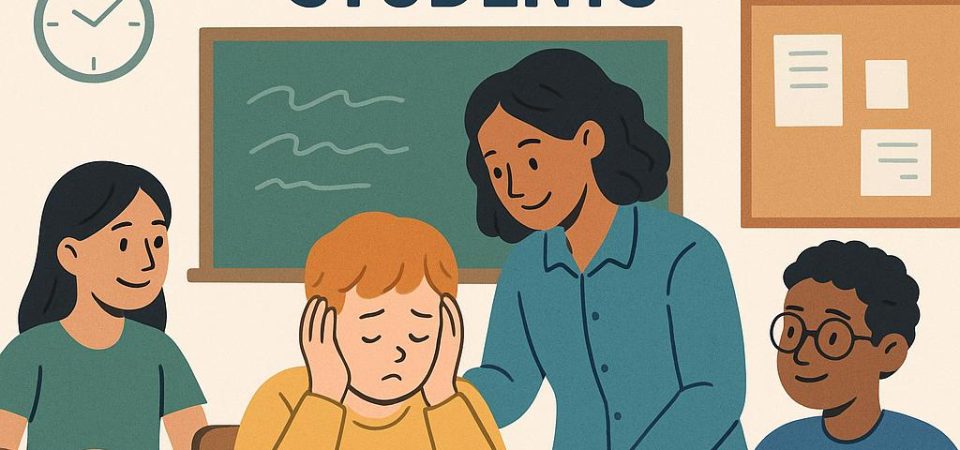
How Schools Can Support Autistic Students

Understanding Autism in the Educational Context

Autism Spectrum Disorder (ASD) is a complex developmental condition that significantly impacts an individual’s ability to communicate, engage in social interactions, and modify behavior according to societal norms. The educational domain is pivotal in shaping the experiences of autistic students, not only academically but also socially. This calls for an inclusive educational setup wherein schools provide an understanding and nurturing environment. It involves gaining insights into the diverse needs of autistic learners and recognizing the distinct manifestations of autism in every individual. Recognizing these unique traits is the foundation for offering effective support.

Inclusive Learning Environments

An inclusive learning environment is central to the development and well-being of autistic students as it fosters their sense of belonging while catering to their diverse learning needs. Schools are encouraged to implement Universal Design for Learning (UDL). The UDL framework provides multiple means of engagement, representation, and expression—ensuring that educational approaches are flexible and tailored to various learning styles. This system benefits the entire student body, and not solely those with autism, by embracing a more personalized approach to education.

Individualized Education Programs (IEP)

At the heart of educational support for autistic students lies the Individualized Education Program (IEP). This customized plan is developed to address the specific needs and capabilities of each student with autism. It details a student’s unique learning profile and establishes specific educational goals, accommodations, and strategies to leverage the student’s strengths and address any challenges. The collaborative approach between teachers, special educators, and parents is crucial in creating and reviewing the IEP, ensuring that it remains effective and aligned with the student’s evolving needs. Schools are encouraged to utilize resources such as those from the U.S. Department of Education for guidance on IEP development and implementation.

Sensory-Friendly Classrooms

Sensory sensitivities are a common characteristic in many autistic students; hence, creating a sensory-friendly classroom environment is vital. Schools can support these students by minimizing potential triggers such as loud noises, bright lights, or certain textures. Providing sensory tools like noise-canceling headphones, soft lighting, or fidget toys can significantly assist students in maintaining concentration and comfort in the learning environment.

Training and Support for Educators

Ensuring that teachers have the appropriate skills and knowledge to support autistic students is crucial. Schools should therefore prioritize ongoing professional development for educators, focusing on enhancing their understanding of autism and equipping them with strategies for promoting inclusion and engagement. Professional development initiatives might include workshops and training sessions covering areas like effective behavior management, differentiated instruction, and advanced communication techniques to foster a conducive learning environment for every student.

Collaborative Practices

Support for autistic students is most effective through collaboration between teachers, special educators, and parents. Such collaboration emphasizes consistent methodologies at both school and home. Regular meetings and open communication channels enable educators and parents to exchange insights and effective strategies. By forming a supportive network, educators can draw from each other’s expertise, benefitting the student comprehensively.

Promoting Social Skills and Peer Interaction

Enhancing social skills remains a focal challenge for autistic students. Schools can actively promote social integration by organizing activities fostering positive peer interactions. Initiatives such as structured group work and peer mentoring programs can play an instrumental role in providing autistic students with opportunities to build relationships and practice social communication within supportive settings. Such exercises are not only beneficial for personal growth but also for academic success.

Encouraging Participation in Extracurricular Activities

Participation in extracurricular activities provides autistic students with a platform to explore interests, build self-confidence, and improve social skills. Schools should ensure that these activities are accessible and inclusive, offering accommodations as necessary. Engaging in clubs, sports, or the arts can present valuable experiences beyond the traditional classroom environment, significantly contributing to the holistic development of autistic students.

Conclusion

The support of autistic students within schools requires a collective effort encompassing the creation of inclusive environments, tailored learning experiences, and active collaboration among educators, students, and families. Through these structured strategies, schools can empower autistic students not only to reach their academic potential but also to thrive in social scenarios. By fostering understanding and inclusivity, schools play an integral role in shaping a future where autistic students are well-supported in their journey towards personal and professional success.